When water gets into a home, the water itself is rarely the biggest long-term problem. Mold is. Moisture left behind after a burst pipe, a roof leak, an appliance failure, or a flood creates exactly the conditions mold needs to take hold — and in Katy, Texas, where humidity stays high for most of the year, that process starts faster than most homeowners expect.
The good news is that mold after water damage is largely preventable. Fast, thorough water damage restoration — proper extraction, complete structural drying, and verified moisture control — dramatically reduces the chance you'll ever need mold removal at all. This guide explains why mold grows, how quickly it can appear, and the exact steps to prevent mold growth in your home after a water event.
Why Mold Grows After Water Damage
Mold is not an infestation that arrives from outside. Mold spores are already present in virtually every home in Texas, floating harmlessly in the air and settling on surfaces. They only become a problem when three conditions come together at once.
- Moisture — wet or damp materials, or sustained indoor humidity above roughly 60%.
- Oxygen — present everywhere inside a structure.
- Organic material — drywall paper, wood framing, cabinetry, carpet backing, and insulation are all food sources.
Of those three, moisture is the only one you can control — which is why every serious conversation about mold after water damage is really a conversation about drying. Once wet drywall, subflooring, baseboards, or insulation stay damp, spores that were already in the room begin to colonize the material.
The part that catches homeowners off guard is hidden moisture. A floor can feel dry to the touch while the pad underneath, the bottom plate of the wall, and the insulation in the cavity are still saturated. Surface appearance tells you almost nothing about what's happening inside a wall assembly. That's why restoration professionals rely on moisture meters and thermal imaging rather than sight and touch.
How Quickly Can Mold Grow After Water Damage?
Under the right conditions, mold can begin developing within 24 to 48 hours of materials becoming wet, and visible colonies often appear within three to five days. In Katy's warm, humid climate, the fast end of that range is the realistic expectation — not the worst case.
The relationship is simple: the longer materials stay wet, the higher the risk and the more expensive the outcome. A home dried within the first 48 hours usually needs nothing more than cleanup and minor repairs. A home left damp for a week frequently needs containment, material removal, and full mold remediation.
- 0–24 hours: Water spreads through porous materials; extraction is most effective now.
- 24–48 hours: Mold can begin to establish; drywall softens and swells; odors may start.
- 48–72 hours: Visible growth becomes likely; more materials become unsalvageable.
- 3+ days: Colonies spread into wall cavities and HVAC pathways; remediation is usually required.
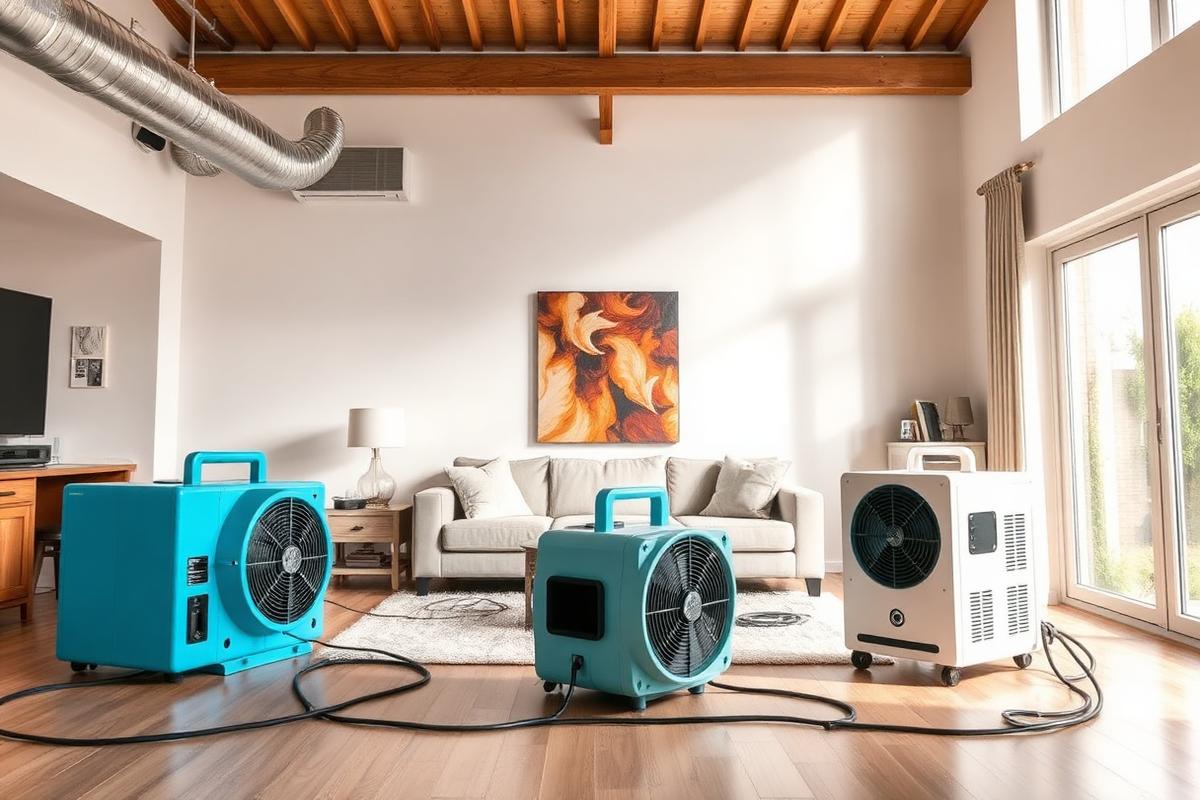
Professional structural drying is what compresses that timeline. Commercial air movers and dehumidifiers pull moisture out of framing and substrates far faster than household fans, and daily moisture readings confirm the materials are actually reaching dry standard rather than just feeling dry.
Steps to Prevent Mold After Water Damage
If you've just experienced a leak or flood, the following sequence gives you the best chance of avoiding a mold problem entirely. Work through it in order — each step depends on the one before it.
1. Stop the Source of Water
You cannot dry a structure that's still getting wet. Before anything else, stop the water.
- Shut off the main water valve if the source is plumbing — every household member should know where it is.
- Turn off supply valves to the specific fixture or appliance when the leak is isolated.
- Fix leaks quickly rather than patching temporarily and waiting.
- Prevent additional water intrusion from storms by tarping roof damage or covering broken windows.
- Shut off electricity to affected areas if water is anywhere near outlets, panels, or fixtures.
2. Remove Standing Water Quickly
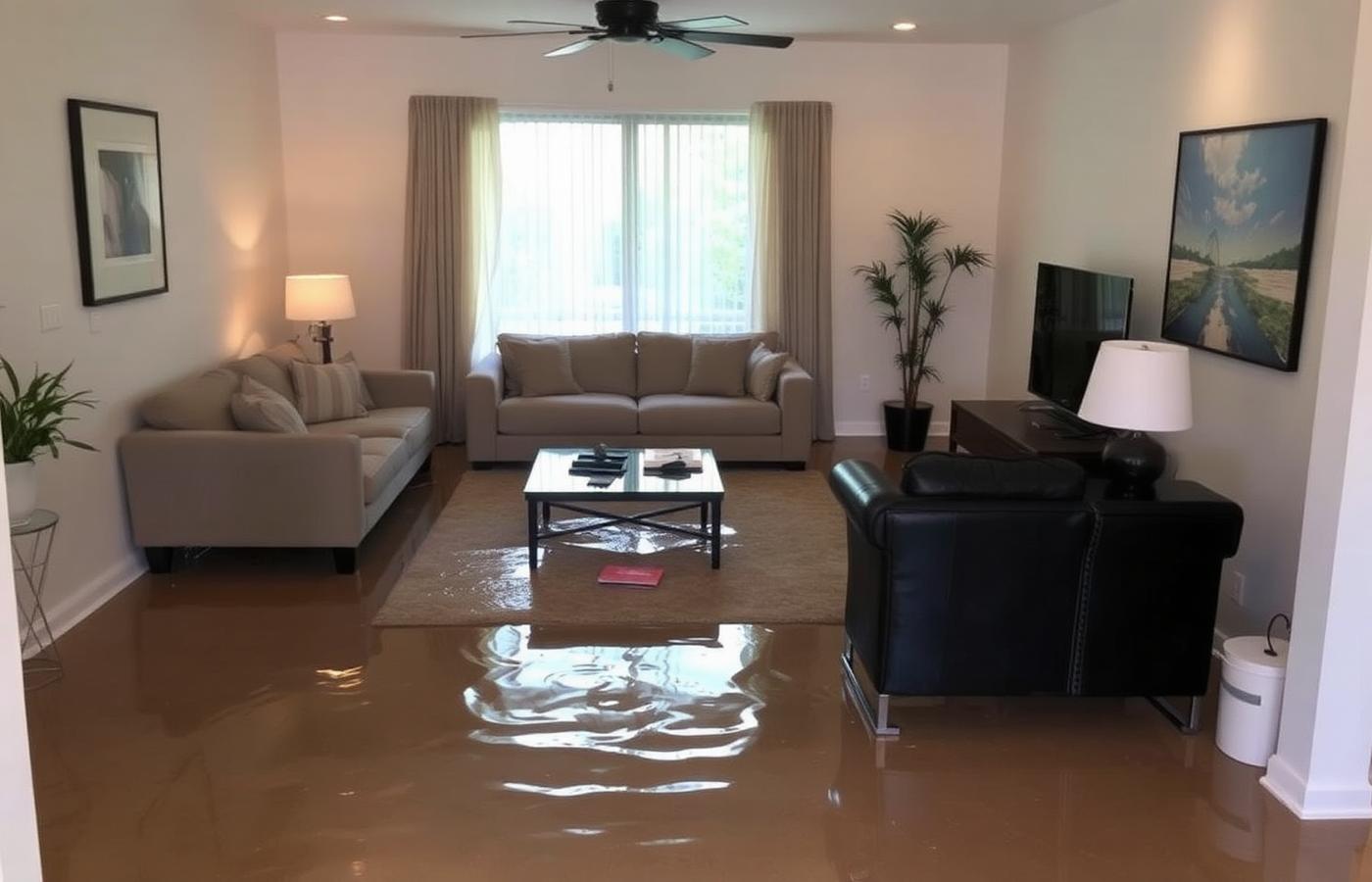
Every hour standing water remains, more of it wicks into drywall, subfloor, cabinetry, and framing. Fast water extraction is the single highest-impact action in mold prevention.
- Small clean-water spills can be handled with towels, mops, and a wet/dry vacuum if addressed immediately.
- Truck-mounted and portable commercial extractors remove hundreds of times more water than a shop vac.
- Carpet and pad hold enormous amounts of water — professional extraction often saves the carpet entirely.
- Never enter standing water that may be contaminated or electrically charged.
Professional equipment matters here because the goal isn't just removing visible water — it's removing water from within materials before it has time to migrate deeper into the structure.
3. Dry the Area Completely
Extraction removes the bulk water. Drying removes what's left inside the materials, and it's the phase homeowners most often cut short.
- Air movement: High-velocity air movers are positioned to sweep moisture off surfaces into the air.
- Dehumidification: Commercial dehumidifiers pull that airborne moisture out so it can't re-condense elsewhere.
- Moisture monitoring: Daily meter readings on drywall, framing, and flooring confirm real progress toward dry standard.
- Controlled environment: Doors and windows stay closed so the dehumidifiers can actually do their job in Katy's humidity.
Opening the windows during a humid Gulf Coast afternoon often makes drying worse, not better. This is a common and costly homeowner mistake.
4. Remove Wet and Damaged Materials
Some materials can be dried in place. Others hold moisture no matter what you do and have to come out.
- Wet insulation almost never dries in place and should be removed.
- Saturated drywall is typically cut out to a set height above the water line — a controlled flood cut.
- Carpet pad is usually discarded; the carpet itself can often be saved with fast extraction.
- Laminate and engineered flooring frequently swell and delaminate and must be replaced.
- Anything touched by contaminated water — sewage or flood water — is removed regardless of appearance.
Removing material also exposes hidden moisture. Wall cavities, subfloor layers, and the space beneath cabinets trap water that surface drying will never reach, and those pockets are where mold problems typically begin.
5. Clean and Sanitize Affected Areas
Once materials are dry, affected surfaces are cleaned and treated to control microbial growth and odor.
- Hard surfaces, framing, and subfloor are cleaned and treated with EPA-registered antimicrobials.
- Contaminated areas from gray or black water require detailed cleaning with proper PPE and containment.
- Odor control addresses the musty smell that signals microbial activity rather than masking it.
- HVAC systems and ducts are evaluated so spores aren't distributed through the house.
Common Signs of Mold After Water Damage
Mold doesn't always show up as an obvious black patch on the wall. Often the first indication is something subtler.
- Musty, earthy odors — frequently the earliest sign, and often the only sign of hidden growth.
- Visible mold spots in black, green, gray, or white, especially near baseboards and under sinks.
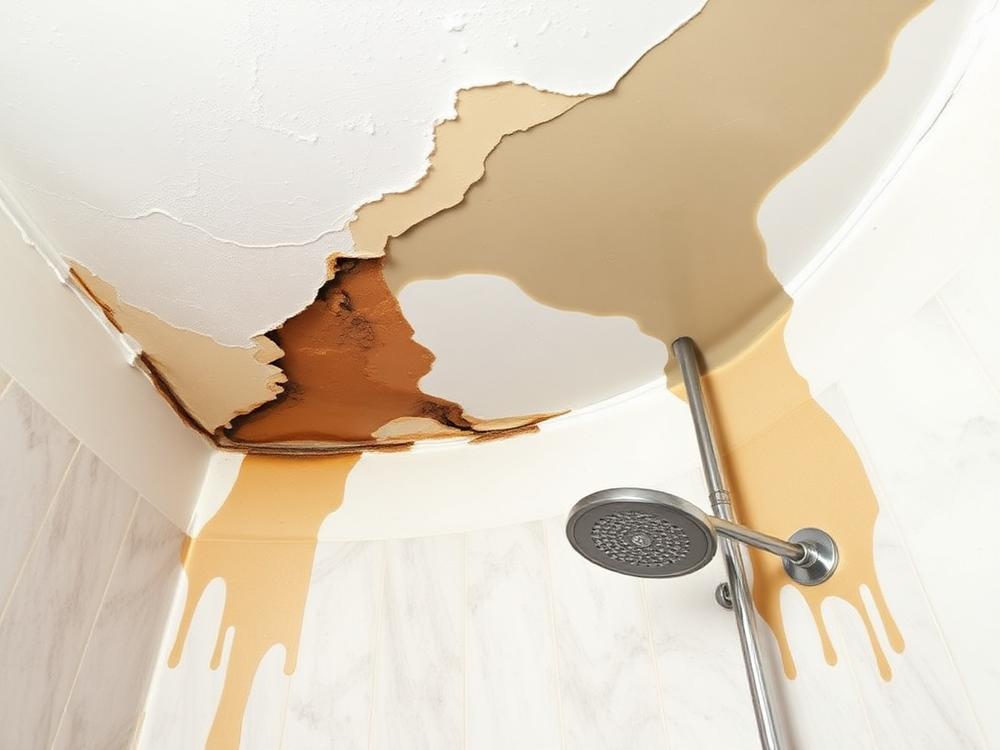
- Discoloration or staining on walls and ceilings that spreads or darkens over time.
- Peeling, bubbling, or cracking paint and wallpaper caused by moisture behind the surface.
- Warped, buckled, or spongy flooring, or baseboards pulling away from the wall.
- Increased allergy symptoms — congestion, coughing, itchy eyes, or headaches that improve when you leave the house.
Mold frequently grows where you can't see it: inside wall cavities, beneath flooring, above ceilings, behind cabinets, and in attic insulation. If your home smells musty after a water event but nothing looks wrong, that discrepancy is worth a professional moisture inspection.
Can You Prevent Mold Without Professional Help?
Sometimes, yes. A small clean-water spill caught within the first hour — an overflowing sink, a knocked-over aquarium, a slow drip under a bathroom vanity discovered early — can often be dried effectively by a homeowner with towels, fans, and a dehumidifier, provided the affected area stays under roughly 10 square feet and materials aren't saturated.
Beyond that threshold, household equipment simply doesn't have the capacity to dry a structure fast enough to beat the mold clock. Professional restoration is strongly recommended in any of these situations.
- Flooding of any kind, including storm and rising water events.
- Sewage backups or any Category 3 black water exposure.
- Water behind walls, under flooring, or above ceilings.
- Large areas of damage, or water affecting more than one room.
- Contaminated water from dishwashers, washing machines, toilets, or outside sources.
- Persistent moisture — materials still reading damp after 48 hours of your own drying efforts.
- Any existing visible mold, which requires containment rather than casual cleaning.
Scrubbing visible mold without addressing the moisture source and without containment usually makes things worse, because disturbing a colony releases spores into the air where they settle in new locations.
Why Professional Water Damage Restoration Helps Prevent Mold
When homeowners search for water damage restoration near me, they're usually looking for speed. Speed matters — but what actually prevents mold is the combination of speed, equipment, and verification that a certified restoration crew brings.
- Professional moisture detection: Moisture meters and thermal imaging find water inside walls, under floors, and above ceilings that no visual inspection can catch.
- Commercial drying equipment: Industrial air movers, LGR dehumidifiers, and specialty drying systems for hardwood and wall cavities.
- Faster drying times: Most properly managed structures reach dry standard in three to five days instead of weeks.
- Documentation of damage: Daily moisture logs, photos, and scope notes that support your insurance claim.
- Reduced future mold risk: Antimicrobial treatment and verified dryness rather than a guess that it 'feels dry now.'
- IICRC-certified technicians who follow established industry drying standards.
That verification step is the difference. A restoration company doesn't stop when the room looks dry — it stops when meter readings on every affected material confirm it, which is precisely what keeps mold from appearing three weeks later.
Mold Remediation After Water Damage in Katy, TX
Katy homeowners face a tougher mold environment than most of the country. Our humidity rarely drops, our storm season is long, and clay soil movement keeps slab plumbing under constant stress. When water gets into a home in Cinco Ranch, Cross Creek Ranch, Old Katy, or any of the surrounding neighborhoods, the window for preventing mold is genuinely short.
If mold has already established, professional mold remediation Katy TX services restore the affected areas safely: containment barriers and negative air pressure keep spores from spreading, contaminated porous materials are removed and disposed of properly, remaining surfaces are HEPA-vacuumed and treated, and the underlying moisture source is corrected so the problem doesn't return.
It's worth saying plainly: preventing mold is far easier and far less expensive than remediating advanced growth. Emergency extraction and drying on a typical Katy water loss runs a fraction of what a whole-home remediation project costs — and it avoids the demolition, air quality concerns, and displacement that come with it.
Frequently Asked Questions About Mold After Water Damage
How long does it take for mold to grow after water damage?
Mold can begin developing within 24 to 48 hours when moisture remains in materials, and visible colonies often appear within three to five days. In Katy's humid climate, expect the faster end of that range. Drying the structure within the first 48 hours is the most reliable way to prevent mold growth.
Can water damage cause mold even if everything looks dry?
Yes. Surfaces frequently feel dry while moisture remains trapped behind walls, under flooring, inside insulation, and beneath cabinets. That hidden moisture is where most post-water-damage mold problems begin, which is why professionals verify dryness with moisture meters and thermal imaging rather than by touch.
Should I remove mold myself after water damage?
Small surface areas — roughly under 10 square feet on a non-porous surface — can often be cleaned by a homeowner with proper protection. Larger contamination, mold on porous materials like drywall or insulation, mold from contaminated water, or any growth of unknown extent should be professionally evaluated. Disturbing a colony without containment spreads spores through the home.
Does water damage restoration prevent mold?
Proper restoration significantly reduces mold risk. Fast water extraction, complete structural drying, removal of unsalvageable wet materials, antimicrobial treatment, and verified moisture readings together remove the moisture mold requires. No process can guarantee mold will never appear, but professional restoration completed within the first 48 hours makes it far less likely.
Prevent Mold — Call Katy Water Damage Pros
If water has gotten into your home, the clock has already started. Katy Water Damage Pros provides 24/7 emergency water damage restoration throughout Katy, Texas and the greater Houston area, including emergency water extraction, complete structural drying, mold prevention, and full mold remediation services when growth has already begun.
Our local crews arrive with commercial extraction and drying equipment, document every reading for your insurance claim, and don't call a job finished until moisture meters confirm the structure is genuinely dry. Don't wait to see whether mold appears — call us now or reach out through our contact page, and a Katy crew will be on the way.