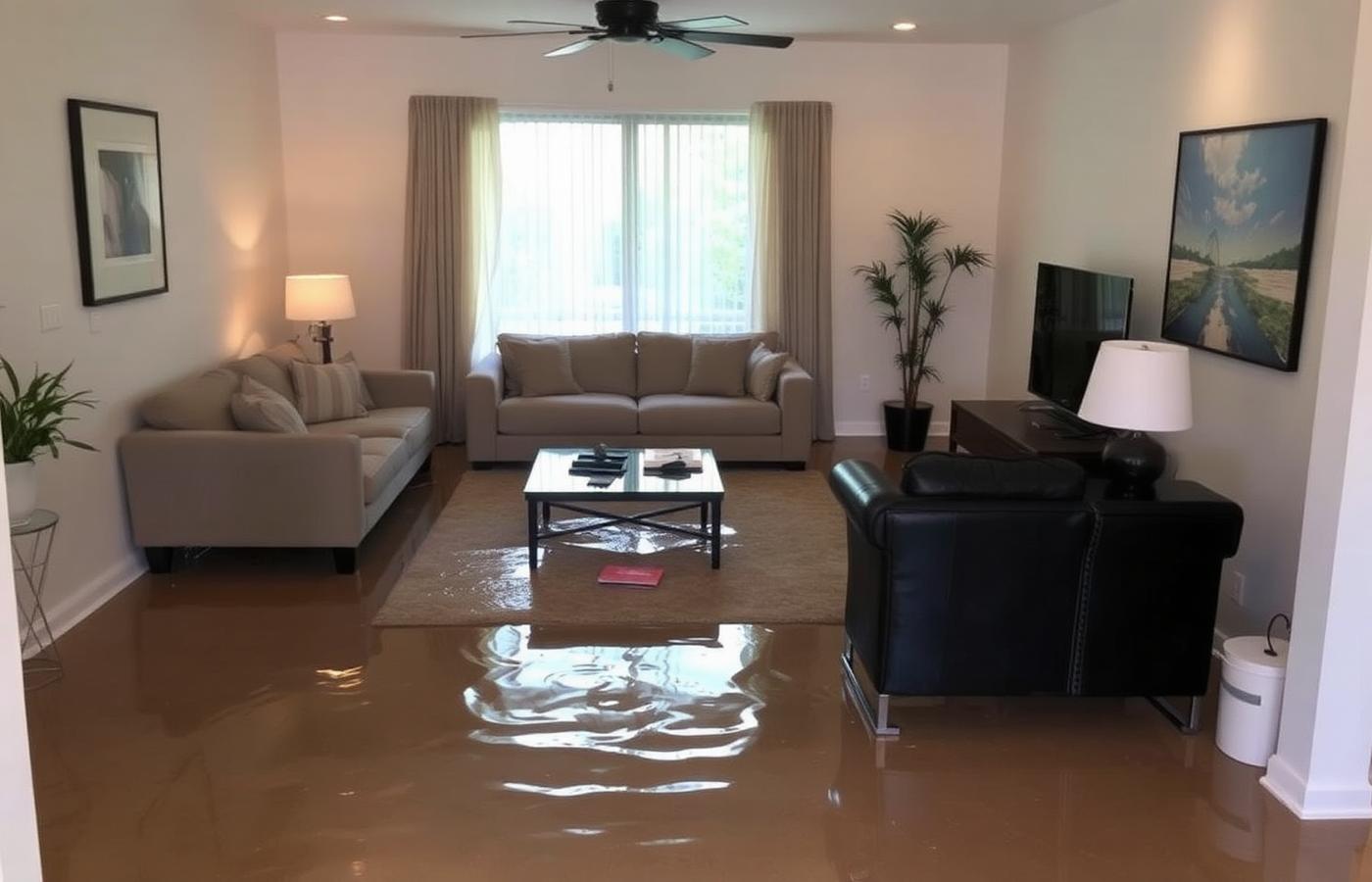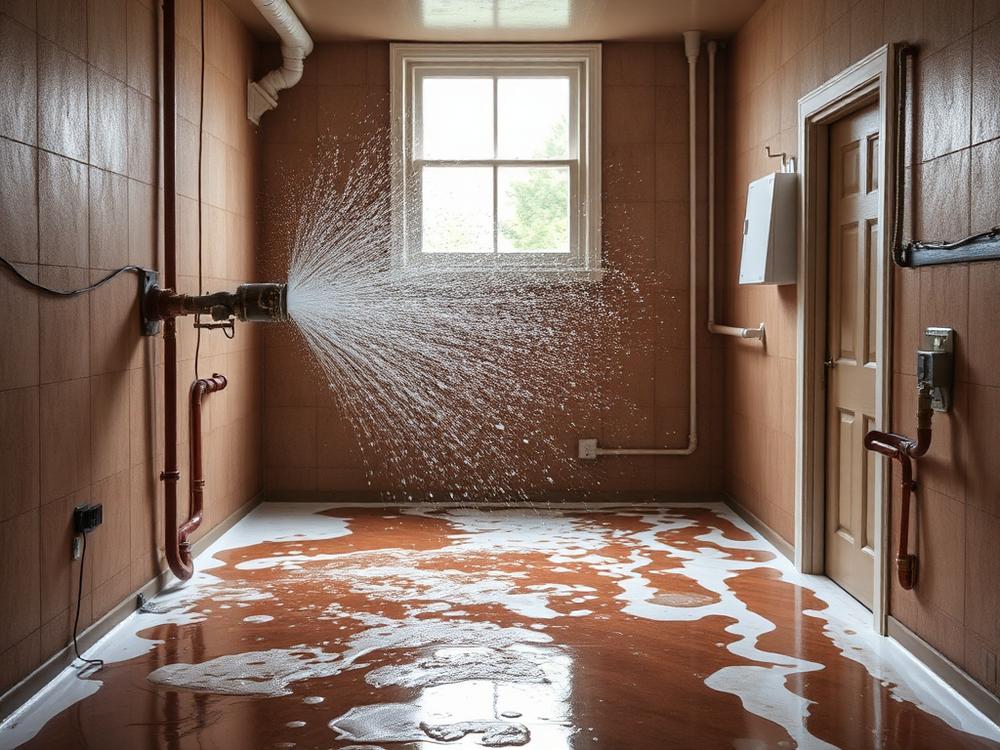
Discovering water damage in your home is one of the most stressful moments a homeowner can face. Whether you wake up to a soaked carpet from a burst pipe, find a water stain spreading across your ceiling after a storm, or walk into a flooded laundry room from a failed washing machine hose, the same question usually follows: What do I do now? Fast action is the single most important factor in controlling damage, protecting your family's health, and keeping repair costs under control. Professional water damage restoration is not just about removing water — it is about returning your home to a safe, dry, pre-loss condition as quickly as possible so you can get back to normal life.
At Katy Water Damage Pros, we help homeowners across Katy, Houston, Cypress, Sugar Land, The Woodlands, Pearland, and surrounding Texas communities respond to water emergencies every single day. The homeowners who recover fastest are the ones who understand the basics before disaster strikes: how restoration works, how long it takes, what it costs, and what their insurance will actually cover. This guide walks you through everything you need to know so you can make smart decisions the moment water appears in your home.
What Is Water Damage Restoration?
Water damage restoration is the complete process of cleaning, drying, sanitizing, and repairing a property after water intrusion. It goes far beyond mopping up a puddle or running a few box fans from the garage. A professional restoration project follows a structured workflow designed to stop ongoing damage, remove hidden moisture, prevent mold growth, and rebuild affected areas to their original condition. Every project starts with a detailed inspection and ends only when moisture levels are verified as safe and repairs are complete.
- Inspection and assessment: Technicians identify the water source, map affected areas with moisture meters and thermal imaging, and classify the water type.
- Water extraction: Standing water is removed using truck-mounted or portable extractors to prevent further absorption into flooring and walls.
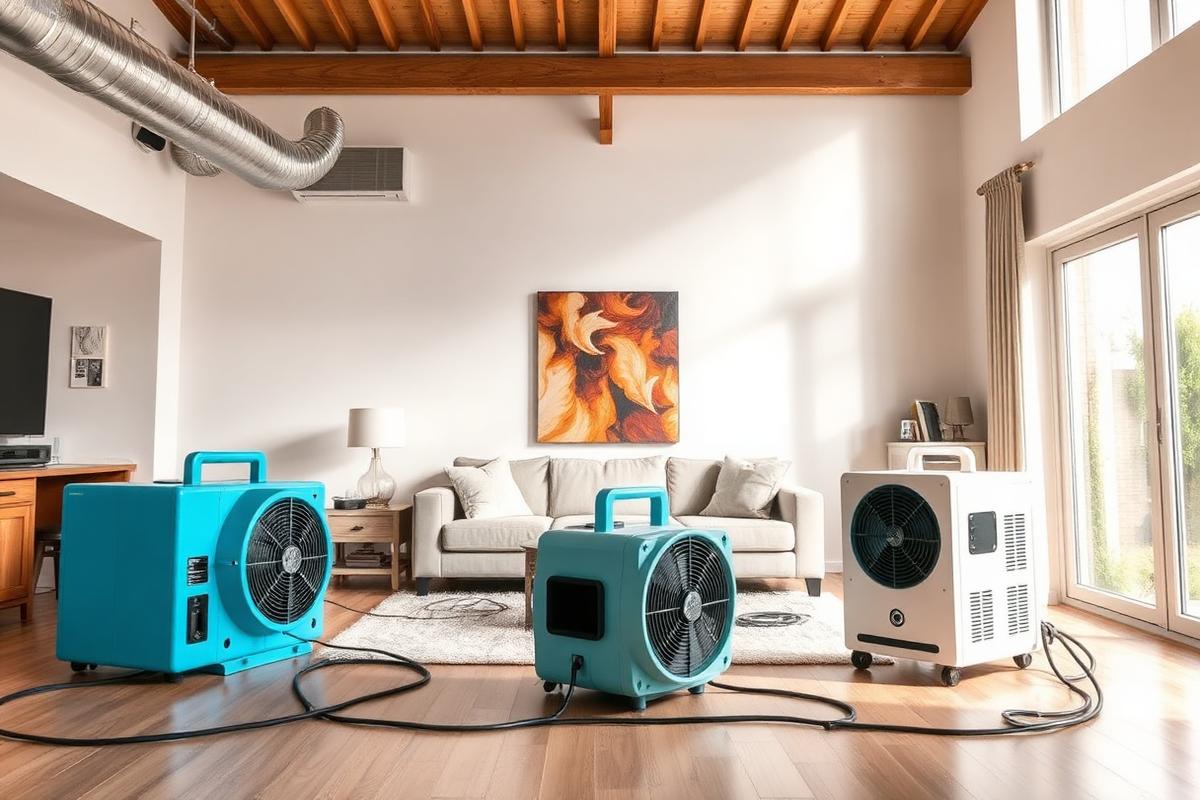
- Drying and dehumidification: Commercial air movers and low-grain refrigerant dehumidifiers dry structural materials to their pre-loss moisture content.
- Cleaning and sanitizing: Antimicrobial treatments remove bacteria, odors, and contaminants, especially important after flooding or sewage backups.
- Repairs and restoration: Damaged drywall, flooring, insulation, and cabinetry are repaired or replaced so your home looks and functions like before.
Each step is documented with photos, moisture logs, and scope-of-work reports that insurance adjusters expect. This documentation often determines whether your claim is approved quickly or delayed for weeks while the carrier asks for more proof of damage.
How Long Does Water Damage Restoration Take?
One of the most common questions we hear is, "How long does water damage restoration take?" The honest answer is that timelines vary, but most residential projects follow a predictable range. A small, clean water leak caught early may be fully dried in three to five days. A larger flood affecting multiple rooms, or water that sat unnoticed for days, can extend the timeline to two or three weeks — especially if demolition and reconstruction are needed. The best restoration companies track progress daily and adjust equipment so the job finishes as soon as materials are truly dry, not just surface-dry.
- Amount of water: A small appliance leak is faster to resolve than several inches of standing water throughout a home.
- Affected materials: Hardwood, drywall, and insulation absorb water differently. Porous materials take longer to dry and may need replacement.
- Severity of damage: Sagging ceilings, warped subfloors, and compromised structural components add repair time.
- Presence of mold: If mold has started growing, remediation must be completed before rebuilding can begin.
Daily moisture monitoring allows restoration crews to adjust equipment and finish drying as soon as materials reach safe levels. Rushing the process or skipping verification is what leads to musty odors, warped floors, and mold remediation calls six months later. Patience in the drying phase saves money in the long run.
How Much Does Water Damage Restoration Cost?
Pricing for water damage restoration depends on the specifics of your loss, which is why reputable companies always start with an on-site inspection before quoting a firm number. That said, understanding the factors that drive cost helps you ask the right questions and avoid low-ball estimates that leave hidden moisture behind. The size of the affected area, the category of water, the materials involved, and the extent of repairs all influence the final invoice.
- Size of affected area: Restoration is typically priced by square footage. A single wet bathroom costs far less than a whole-home flood.
- Type of water damage: Clean water from a supply line is simpler to handle than contaminated water from flooding or sewage backups, which requires specialized safety protocols.
- Materials damaged: Hardwood flooring, custom cabinetry, and layered drywall assemblies cost more to dry or replace than carpet and pad.
- Repairs needed: Drying alone is less expensive than drying plus drywall, paint, flooring, and trim replacement.
Most emergency extraction and structural drying jobs for a typical Texas home fall between $2,500 and $7,500. Full water damage repair including drywall, flooring, paint, and cabinetry commonly ranges from $8,000 to $30,000 or more for extensive flooding. The only way to get an accurate estimate is to have a licensed restoration professional inspect the damage in person.
Does Home Insurance Cover Water Damage?
Coverage for water damage depends on the source of the water and the language of your specific policy. In general, sudden and accidental water damage is covered by most standard Texas homeowners insurance policies. This includes events like a burst pipe, a water heater rupture, or storm-driven rain entering through a wind-damaged roof. The key word is "sudden." Insurance is designed to respond to unexpected losses, not problems that developed slowly over time because of neglected maintenance or aging plumbing.
- Usually covered: Burst pipes, appliance leaks, accidental overflows, and storm-driven rain through damaged roofing.
- Usually not covered: Gradual leaks from worn plumbing, poor maintenance, or long-term seepage that the homeowner could have addressed earlier.
- Requires separate coverage: Rising flood water from outside the home typically requires a separate NFIP flood insurance policy.
Always review your policy or speak with your agent to understand your specific coverage, deductibles, and exclusions. A good restoration company will also help you document the damage and communicate with your adjuster, but this is practical claim support — not legal advice. If you are unsure whether your loss is covered, open a claim and let your carrier investigate.
Why You Should Act Quickly After Water Damage
Water damage gets worse with every hour it sits. Within the first 24 hours, water wicks into drywall, insulation, and subflooring. Within 24 to 48 hours, mold spores begin colonizing wet surfaces. By day three or four, what could have been a straightforward drying job often becomes a demolition and mold remediation project. Acting quickly protects your home, your health, and your wallet.
- Mold growth: Mold can begin growing on wet drywall and baseboards in as little as 24 to 48 hours, especially in humid climates like Southeast Texas.
- Structural damage: Saturated framing, subfloors, and ceilings lose strength and can sag, warp, or collapse if left wet.
- Damaged flooring and drywall: Materials that could have been dried early often must be torn out and replaced once they are oversaturated.
- Increased repair costs: Every day of delay adds labor, materials, and sometimes mold remediation to the final bill.
The fastest way to limit damage is to stop the water source, remove standing water, and call a professional restoration team immediately. Waiting for the area to "air dry" on its own almost always makes the problem worse, because household air movement cannot reach the water trapped inside walls and under floors.
Water Damage Restoration Near Me: Choosing the Right Company
When you search for "water damage restoration near me" or "water restoration near me," you will find plenty of options. Not every company is equipped to handle a true emergency, and the company you choose directly affects how much of your property is saved. Homeowners in Katy and the greater Houston area should look for a restoration partner that responds immediately, communicates clearly, and has the equipment and training to finish the job correctly the first time.
- Fast response times: Water damage worsens by the hour. Look for a company that answers 24/7 and dispatches immediately.
- Professional equipment: Truck-mounted extractors, commercial air movers, and LGR dehumidifiers are essential for proper drying.
- Trained technicians: IICRC-certified technicians follow industry standards for water damage restoration and mold prevention.
- Clear communication: You should receive regular updates, moisture logs, and a clear scope of work throughout the project.
- Insurance claim help: Experienced companies document damage in the format adjusters expect and can help streamline your claim.
Local knowledge matters too. A restoration team that understands Katy soil conditions, common Houston-area building practices, and regional weather patterns can respond more effectively than a national call center dispatching a random contractor who has never worked in your neighborhood.
Common Types of Water Damage We Help With
Water damage comes from many sources, and each requires a slightly different response. Our team handles everything from small appliance leaks to large-scale flood damage restoration across residential and commercial properties. Understanding the source helps technicians choose the right extraction, drying, and sanitizing strategy from the start.
- Burst pipes: Freezing temperatures, aging plumbing, and high water pressure can all cause supply lines to fail without warning.
- Flooding: Heavy rain, tropical storms, and overwhelmed drainage systems can send water into homes and businesses.
- Appliance leaks: Washing machine hoses, dishwashers, refrigerators, and water heaters are frequent culprits in residential water damage.
- Storm damage: Wind-driven rain enters through roof damage, compromised windows, and improperly sealed doors.
- Sewage backups: Blocked sewer lines or overwhelmed municipal systems can force contaminated water back into your home.
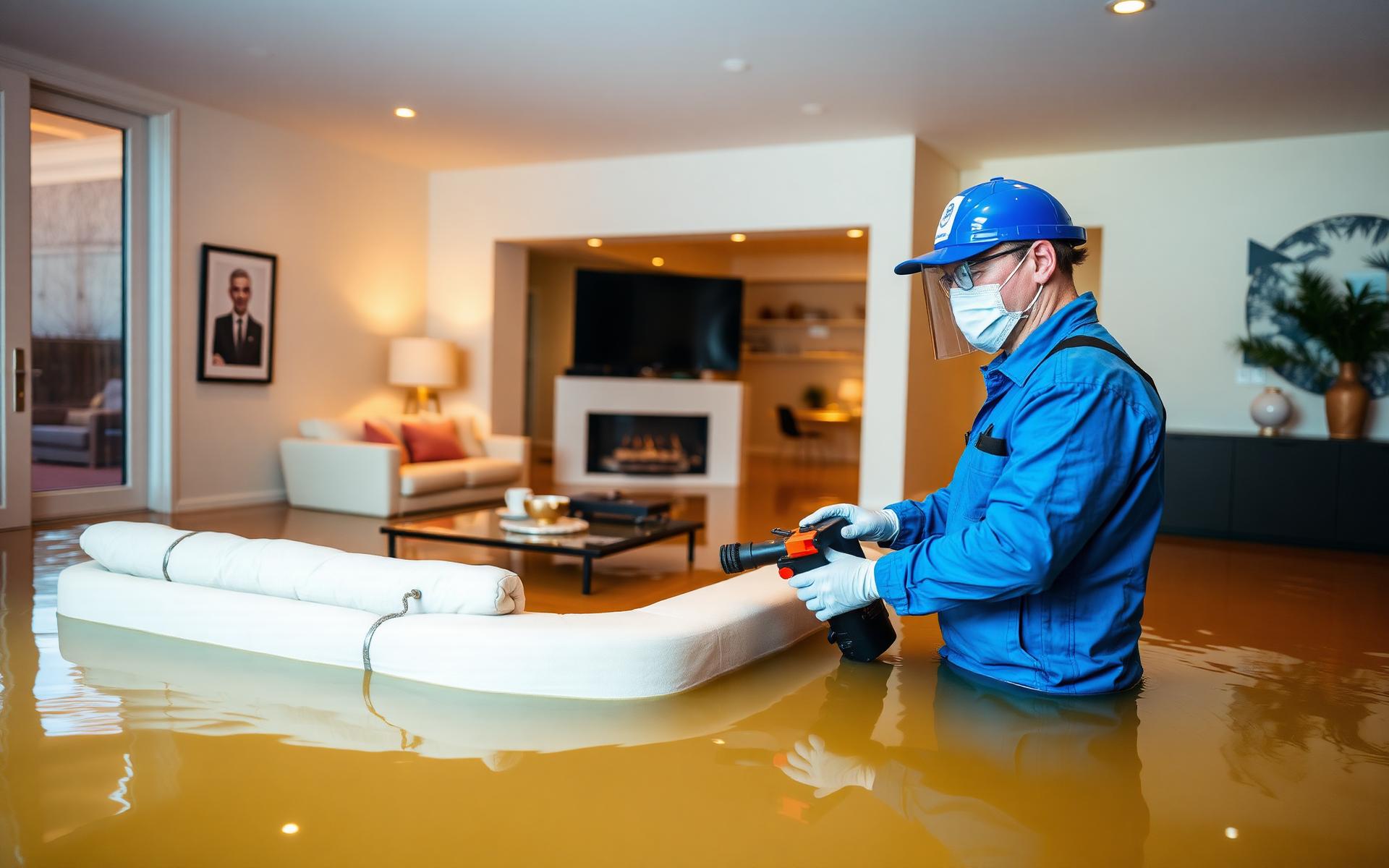
No matter the source, the response principles are the same: stop the water, extract quickly, dry thoroughly, sanitize properly, and repair completely. Flood damage restoration in particular requires careful handling because outside flood water is considered contaminated and poses serious health risks to anyone exposed without proper protective equipment.
Conclusion
Water damage is overwhelming, but the right response can save your home, your belongings, and thousands of dollars in unnecessary repairs. Understanding what water damage restoration includes, how long it takes, what drives cost, and how insurance fits in gives you the confidence to act quickly and choose the right help. Remember: the first 24 to 48 hours are critical. The faster water is extracted and structural drying begins, the better your outcome and the lower your overall water damage repair bill is likely to be.
If your home has water damage right now, do not wait. Katy Water Damage Pros provides 24/7 emergency water damage restoration across Katy, Houston, Cypress, Sugar Land, The Woodlands, Pearland, and the surrounding areas. Call us now for immediate help, or request assistance through our contact page and a local crew will be on the way.
Frequently Asked Questions
How long does water damage restoration take?
Most water damage restoration projects take between three days and three weeks. Small, clean water leaks caught early may dry in three to five days. Larger floods or water that sat unnoticed can require two to three weeks once demolition, drying, and repairs are complete.
How much does water damage restoration cost?
Costs vary based on the affected area, water type, materials damaged, and repairs needed. Emergency extraction and drying for a typical home often ranges from $2,500 to $7,500, while full restoration with repairs can range from $8,000 to $30,000 or more. An on-site inspection is required for an accurate estimate.
Does insurance cover water damage?
Sudden and accidental water damage, such as a burst pipe or appliance leak, is usually covered by standard homeowners insurance. Gradual leaks, maintenance issues, and rising flood water from outside typically are not covered and may require separate flood insurance. Always check your specific policy.
What should I do immediately after water damage?
First, ensure safety by turning off electricity if you can do so without standing in water. Stop the water source if possible, remove standing water, move valuables to a dry area, and call a 24/7 water damage restoration company immediately. Document everything with photos and video for your insurance claim.