Few things unsettle a homeowner faster than the sound of water where it shouldn't be. A supply line lets go under the sink, a storm pushes rain through a compromised roof, or the water heater finally quits — and suddenly the question isn't just how to stop the water, it's how much this is going to cost to fix. Water damage restoration cost varies more than almost any other home repair because every loss is different: the source of the water, the materials it touched, how long it sat, and whether mold has started to grow all move the number up or down.
At Katy Water Damage Pros we've responded to thousands of water losses across Katy, Cinco Ranch, Cross Creek Ranch, Cypress, Houston, Sugar Land, and the surrounding communities. The homeowners who spend the least on restoration are almost always the ones who called for help within the first few hours. This guide walks through realistic pricing, what actually drives the cost, and how to keep the total repair bill as low as possible.
Average Cost of Water Damage Restoration in Katy, Texas
For most Katy-area homes, professional water damage restoration falls somewhere between $1,500 and $15,000, with the majority of residential jobs landing in the $2,500 to $7,500 range for extraction and structural drying. Full water damage repair — including drywall replacement, flooring, paint, trim, and cabinetry — commonly ranges from $8,000 to $30,000 or more when several rooms are affected. Small, isolated events like a slow bathroom sink leak caught early can sometimes be resolved for under $1,000. On the other end, a whole-home flood from a burst upstairs supply line or a hurricane-driven roof leak can climb well above $40,000.
No honest restoration company can quote a firm price over the phone. Every reputable estimate starts with an on-site inspection where a technician measures moisture levels, maps the affected area with thermal imaging, and identifies the category of water. What we can share are the variables that move your quote up or down.
- Size of the affected area — restoration is typically priced by square footage.
- Amount of standing water and how long it sat before extraction.
- Category of water damage (clean, gray, or black water).
- Materials affected — hardwood, engineered flooring, drywall, insulation, cabinetry.
- Drying requirements — number of air movers, dehumidifiers, and days of monitoring.
- Repairs needed after drying — drywall, paint, flooring, trim, and finishes.
Beware of quotes that come in dramatically lower than the rest of the market. Cut-rate water damage restoration services often skip proper moisture verification, leaving hidden water inside walls and under floors. That's how a $3,000 job turns into a $15,000 mold remediation project six months later.
What Factors Affect Water Damage Restoration Costs?
Understanding the variables behind your estimate helps you ask the right questions and compare bids fairly. Six factors do most of the heavy lifting when it comes to water damage repair cost.
1. Type of Water Damage
The IICRC classifies water damage into three categories, and each carries different safety, labor, and disposal requirements.
- Clean water damage (Category 1): Water from a broken supply line, overflowing sink, or rainwater. Least expensive to restore because materials can often be dried in place.
- Gray water damage (Category 2): Water with some level of contamination — dishwasher discharge, washing machine overflow, or a toilet overflow without solids. Usually requires antimicrobial treatment and some material removal.
- Black water/sewage damage (Category 3): Sewage backups, rising flood water from outdoors, or water that has sat long enough to become biologically contaminated. Requires strict containment, PPE, and mandatory removal of porous materials — the most expensive category by a wide margin.
2. Amount of Water and Damage Severity
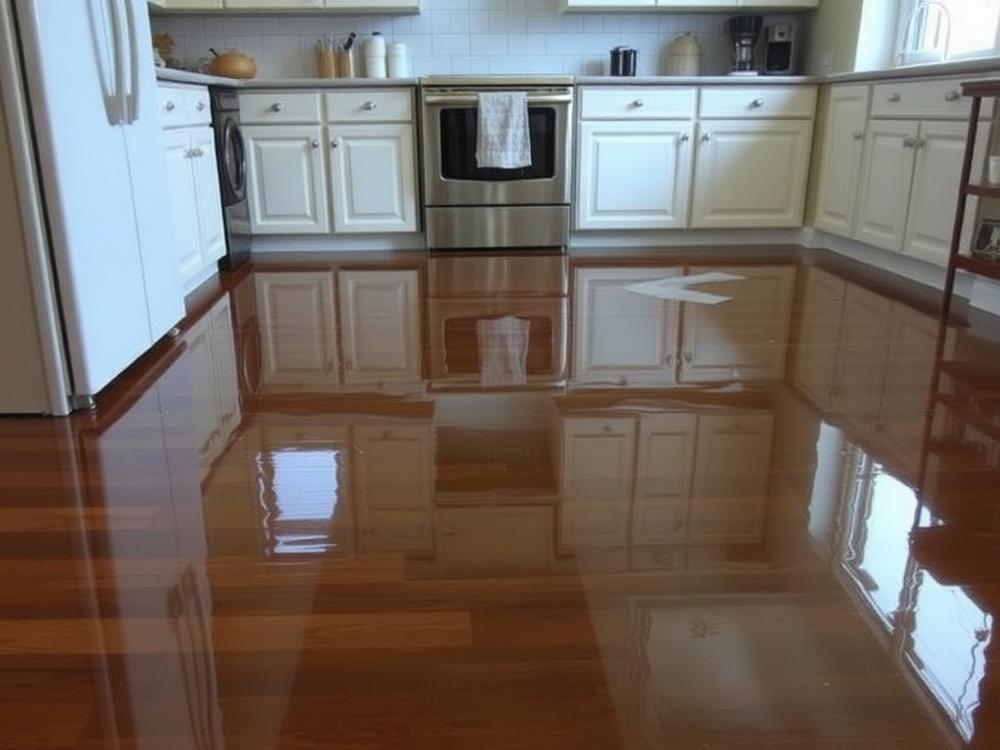
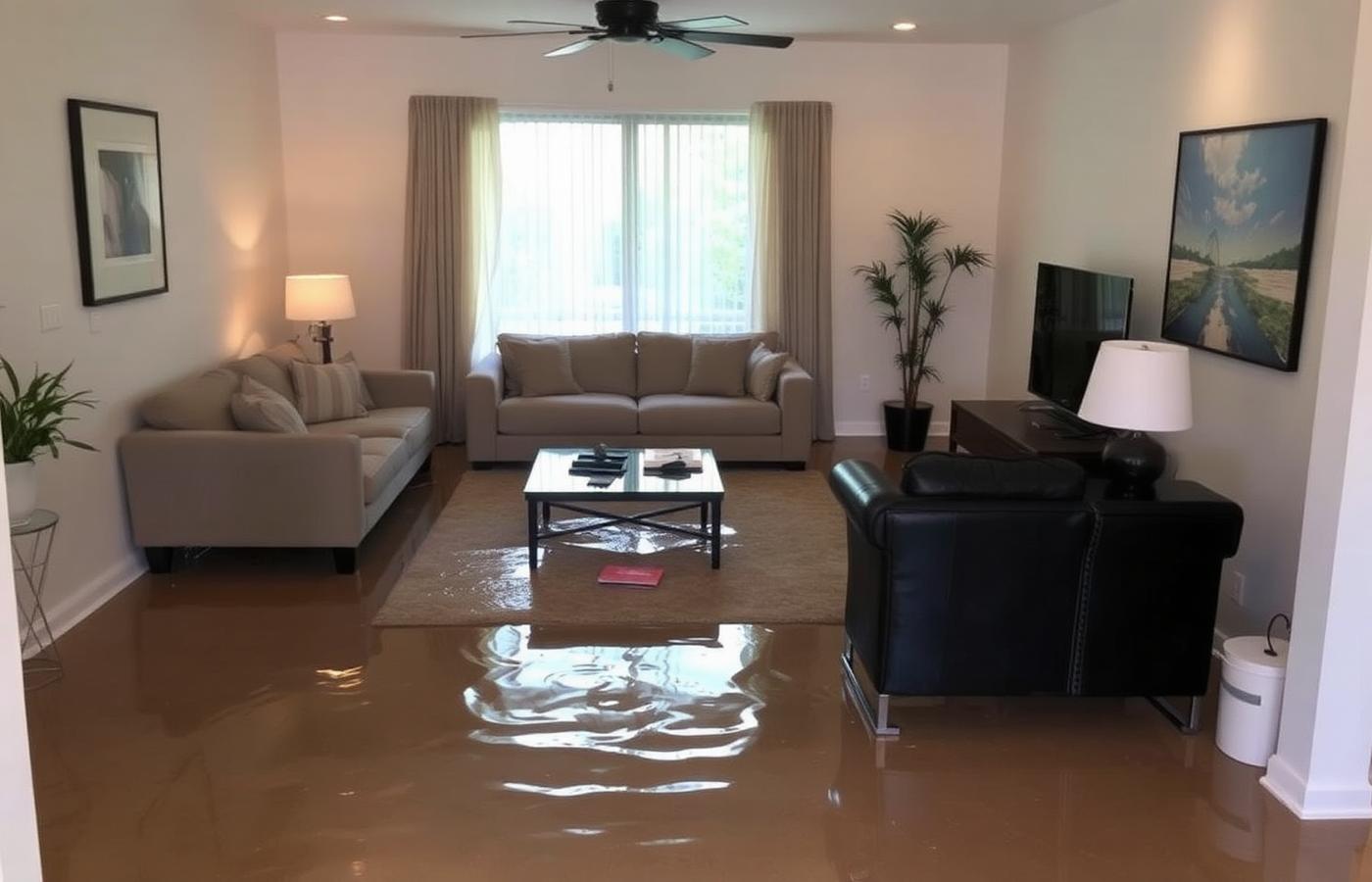
A slow leak that dampened a small corner of drywall is a very different project from two inches of standing water throughout the first floor. More water means longer extraction, more equipment, more drying days, and often more materials that need to be removed and replaced.
3. Size of the Affected Area
Restoration companies price much of the work by square footage. A single wet closet is inexpensive to dry. A whole main floor with wet subfloor, drywall, and cabinetry requires a full crew, dozens of air movers, and multiple industrial dehumidifiers running around the clock.
4. Water Extraction and Drying Requirements
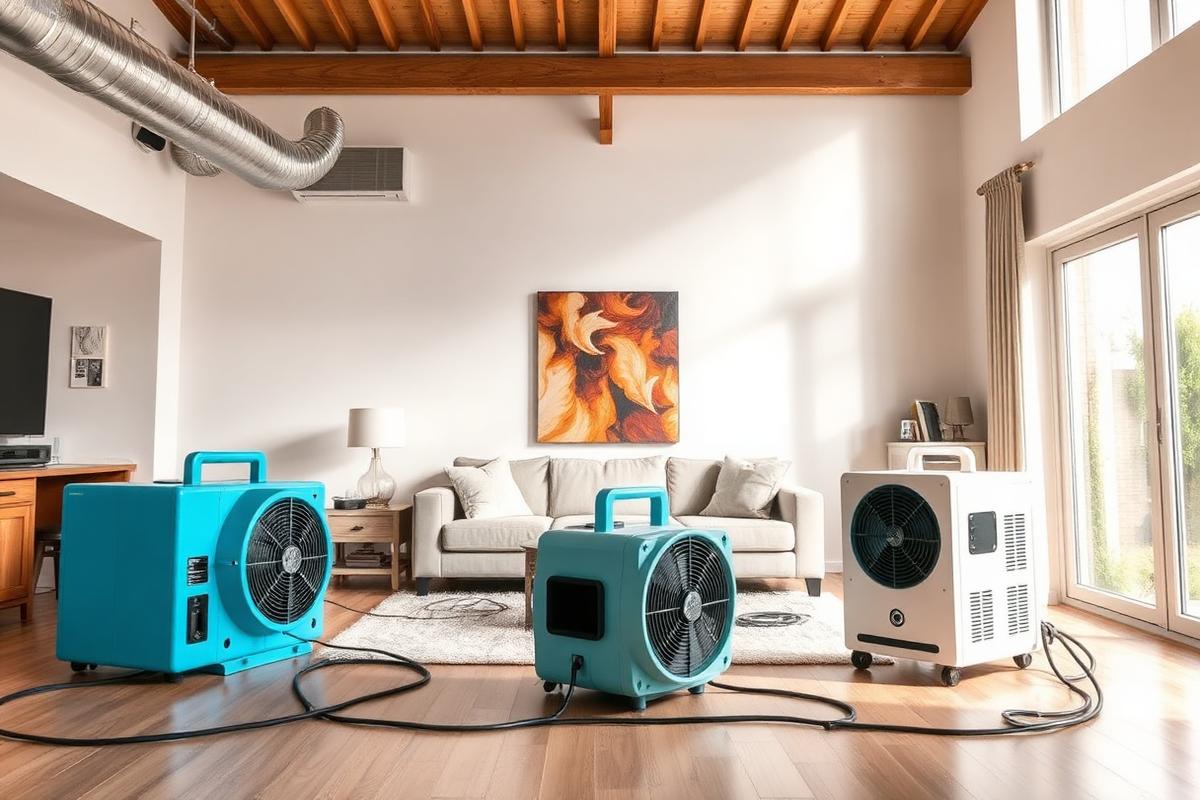
Water extraction removes standing water using truck-mounted or portable extractors. Structural drying then removes bound moisture from framing, drywall, and flooring using commercial air movers and low-grain refrigerant dehumidifiers. The more saturated the materials, the more equipment is required and the longer it stays on-site — both of which increase cost.
5. Mold Growth and Remediation
In Katy's humid Gulf Coast climate, mold can begin colonizing wet drywall in as little as 24 to 48 hours. Once mold is present, restoration expands to include containment barriers, HEPA air scrubbers, antimicrobial treatment, and removal of contaminated materials. Mold remediation can add anywhere from $1,500 to $10,000 or more depending on the size of the affected area.
6. Structural Repairs
Drying is only half the job. Once materials are dry, you may still need drywall replacement, new flooring, cabinetry, trim, paint, and sometimes framing repairs. High-end finishes, custom cabinetry, and hardwood flooring push repair costs significantly higher than standard builder-grade materials.
Breaking Down the Water Damage Restoration Process
Knowing what you're paying for makes the number feel less mysterious. Professional water damage restoration follows a structured process designed to stop ongoing damage, remove hidden moisture, and rebuild your home properly.
- Emergency inspection: A technician identifies the water source, classifies the category, and maps the affected area with moisture meters and thermal imaging.
- Water extraction: Standing water is removed with truck-mounted or portable extractors before it wicks deeper into flooring and walls.
- Drying and dehumidification: Commercial air movers and dehumidifiers are placed to dry framing, subfloor, and drywall to pre-loss moisture levels.
- Cleaning and sanitizing: Affected surfaces are cleaned, deodorized, and treated with antimicrobial products, especially after gray or black water losses.
- Mold prevention: Moisture is verified daily so materials are truly dry — not just surface-dry — which is what stops mold before it starts.
- Repairs and restoration: Drywall, flooring, insulation, cabinetry, paint, and trim are repaired or replaced so your home looks and functions like before.
Emergency water damage restoration typically starts within an hour of your call. The extraction and drying phase usually runs three to seven days. Reconstruction can add anywhere from a few days to several weeks depending on the scope of repairs and material lead times.
Does Home Insurance Cover Water Damage Restoration Costs?
Whether your homeowners insurance will cover water damage restoration depends on the source of the water and the specific language of your policy. In general, sudden and accidental losses are covered, while gradual or maintenance-related damage is not.
- Usually covered: Burst pipes, sudden appliance failures, water heater ruptures, accidental overflows, and storm-driven rain entering through wind-damaged roofing.
- Usually not covered: Slow leaks that developed over months, damage from deferred maintenance, or seepage the homeowner could have addressed earlier.
- Requires separate coverage: Rising flood water from outside the home almost always requires a separate NFIP flood insurance policy, which many Katy homeowners in flood-prone areas already carry.
If you experience a loss, document everything before you start cleanup: wide shots of each affected room, close-ups of damaged materials, and photos of the water source. Save any damaged items you remove until an adjuster has seen them. This isn't legal advice — always read your specific policy or speak with your agent — but thorough documentation is the single biggest factor in how smoothly your claim moves.
How to Reduce Water Damage Restoration Costs
The cheapest water damage job is the one you catch early. Every hour matters. Here's how to keep the final bill as low as possible when water shows up unexpectedly.
- Call for help fast: Reputable water damage restoration services answer 24/7 and dispatch immediately. The sooner extraction starts, the less water soaks into structural materials.
- Stop the source if safe: Shut off the water at the fixture or the main valve. Never step into standing water near electrical outlets or panels.
- Move valuables out of the affected area: Rugs, furniture, electronics, and paperwork should be relocated to a dry room to prevent further damage.
- Document everything with photos and video: Time-stamped images support your insurance claim and give the restoration team a clear starting point.
- Do not wait for it to dry on its own: Household air movement cannot reach water trapped inside walls and under floors. Waiting almost always leads to mold remediation and larger repairs.
Why Professional Water Damage Restoration Is Worth the Cost
It's tempting to rent a couple of fans from the hardware store and handle a small leak yourself. For very minor incidents caught immediately, that can work. But most water damage — especially anything beyond a small clean-water spill — is deeper and more widespread than it looks on the surface. Professional restoration exists because household equipment simply cannot dry structural materials fast enough to prevent secondary damage.
- Commercial drying equipment: Truck-mounted extractors, high-CFM air movers, and low-grain refrigerant dehumidifiers dry materials in days instead of weeks.
- Moisture detection tools: Infrared cameras and pin-and-pinless meters find hidden water inside wall cavities, under flooring, and above ceilings.
- Preventing hidden damage: Certified technicians know where water travels and check the places homeowners typically miss — behind baseboards, under cabinets, and inside insulation.
- Faster recovery: A professional crew dries a typical loss in three to seven days. DIY drying often stretches to weeks and rarely reaches acceptable moisture levels.
- Proper documentation: Moisture logs, photos, and scope-of-work reports match what insurance adjusters expect, which speeds up claim approval.
Doing it right the first time is almost always cheaper than doing it twice. The homeowners who try to save money by skipping professional water extraction and structural drying are the ones we hear from months later when mold appears behind the drywall.
Water Damage Restoration Cost in Katy, TX: Frequently Asked Questions
How much does water damage restoration cost?
Water damage restoration cost varies based on the size of the affected area, the category of water, the materials involved, and the repairs required. Most residential extraction and drying jobs range from $2,500 to $7,500, while full restoration with repairs commonly runs $8,000 to $30,000 or more. An on-site inspection is the only way to get an accurate estimate for your specific loss.
How long does water damage restoration take?
Timelines vary from a few days to several weeks. Small, clean-water losses caught early may be fully dried in three to five days. Larger floods or water that sat unnoticed for days can take two to three weeks once demolition, drying, and reconstruction are complete.
Is water damage restoration covered by insurance?
Coverage depends on the cause of the damage and the specific policy. Sudden and accidental events like burst pipes and appliance failures are usually covered by standard Texas homeowners insurance. Gradual leaks and rising flood water from outside typically are not — flood water usually requires a separate NFIP flood insurance policy.
Can I clean up water damage myself?
Very small clean-water spills caught within the first hour can sometimes be handled with towels and household fans. Anything larger — standing water, wet drywall, saturated flooring, gray or black water, or damage that has been present for more than a few hours — should be handled by a professional water damage restoration company. Household equipment cannot dry structural materials quickly enough to prevent mold growth and hidden damage in Katy's humid climate.
Talk to Katy Water Damage Pros Today
If water is in your home right now, the best thing you can do is stop reading and call. Katy Water Damage Pros provides 24/7 emergency water damage restoration across Katy, Cypress, Houston, Sugar Land, The Woodlands, Pearland, and the surrounding Texas communities. Our local crews respond fast with professional water extraction, structural drying, mold remediation, and full property restoration — and we document every step for your insurance claim.
You don't have to guess what water damage restoration will cost. Call us for an on-site inspection and a clear, written estimate. Fast action from a trusted local team is the single biggest factor in keeping your repair bill under control and getting your home back to normal.