Water damage is one of the most common — and most expensive — problems homeowners face. A single burst supply line, a slow drip behind a wall, or one Gulf Coast thunderstorm can cause thousands of dollars in damage before the water is even fully cleaned up. In Katy, Texas, we see the full range: plumbing failures, appliance leaks, storm intrusion, flooding, and everything in between. Understanding what causes water damage in Katy TX homes is the first step toward preventing it — and knowing what to do when it happens.
At Katy Water Damage Pros, our crews respond to water losses every day across Katy, Cinco Ranch, Cross Creek Ranch, Cypress, Houston, Sugar Land, and the surrounding communities. This guide walks through the most common causes of home water damage we see in the area, the warning signs to watch for, and the practical steps homeowners can take to protect their property.
Why Water Damage Is Common in Katy, Texas Homes
Katy homes face a combination of risk factors you don't find in every part of the country. Southeast Texas gets heavy seasonal rainfall, tropical storms, and hurricanes; the summer humidity keeps interior moisture levels high; and the clay-heavy soil beneath many neighborhoods shifts throughout the year, stressing slab plumbing. Add in the fact that some Katy-area homes are now 20 to 40 years old with original plumbing still in place, and the potential for water damage is real for almost every household.
- Heavy rainfall and tropical systems from June through November stress roofs, gutters, and drainage.
- High year-round humidity means small leaks turn into mold problems faster than in drier climates.
- Aging plumbing systems in Old Katy and older subdivisions are more prone to slab leaks and pipe corrosion.
- Clay soil expands and contracts with rainfall, shifting foundations and stressing supply and drain lines.
- Hurricane-driven wind and rain can compromise roofing, siding, and windows in a matter of hours.
Recognizing the warning signs early — a faint musty odor, a soft spot in the floor, a stain on the ceiling — is what separates a small repair from a full water damage restoration project.
1. Burst Pipes and Plumbing Failures
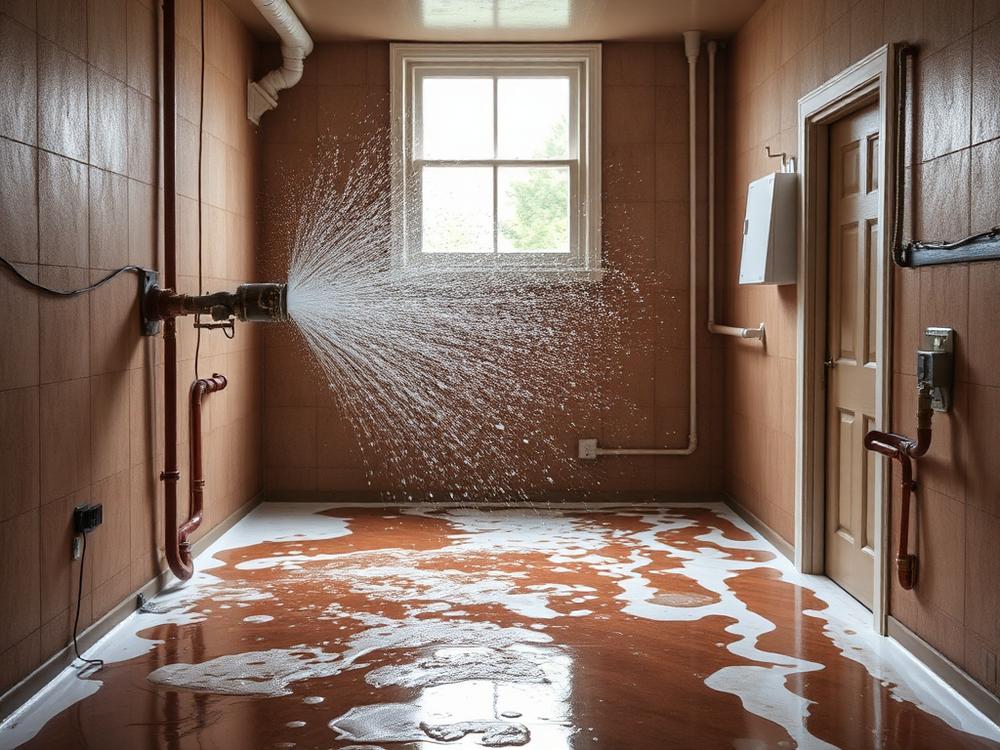
Burst pipes are one of the most sudden and destructive causes of home water damage. Even a small crack in a pressurized supply line can release hundreds of gallons of water in an hour. Katy sees pipe failures year-round, but the risk spikes during the occasional hard freeze when unprotected lines in attics, exterior walls, and garages can crack once temperatures climb back above freezing.
- Frozen pipes: Even a short freeze can crack copper or PEX lines that aren't properly insulated.
- Aging pipes: Galvanized steel and older copper eventually corrode, thin, and fail without warning.
- Corrosion: High mineral content and old fittings can quietly weaken a system for years.
- High water pressure: Anything above about 80 PSI stresses joints, fixtures, and appliance connections.
- General plumbing failures: Poorly soldered joints, worn valves, and shifting slab lines can all give way.
If a pipe bursts in your home, shut off the main water valve immediately, cut power to affected areas if you can do so safely, and call for emergency water damage restoration. Fast burst pipe cleanup is the single biggest factor in keeping repair costs under control — every hour of soaking makes the damage worse.
2. Appliance Leaks and Water Damage
Appliance leaks are one of the most under-appreciated causes of water damage. Because supply lines run behind cabinets and under floors, a slow leak can go undetected for weeks — long enough to saturate the subfloor and start growing mold. Every appliance in your home that uses water is a potential source.
- Washing machines: Braided supply hoses typically fail after 5 to 8 years and can flood a laundry room in minutes.
- Dishwashers: Failed supply lines, worn door gaskets, and clogged drains cause hidden damage under cabinets.
- Refrigerators: Ice maker supply lines develop pinhole leaks that ruin flooring long before you notice.
- Water heaters: Tanks typically last 8 to 12 years; a rupture can release 40 to 80 gallons all at once.
- HVAC systems: Clogged condensate lines and overflowing drain pans quietly damage ceilings and drywall.
Replace washing machine hoses every five years with braided stainless, inspect under sinks monthly, and consider adding leak detection sensors near your water heater, dishwasher, and washing machine. Small leaks left alone rarely stay small.
3. Storm Damage and Heavy Rainfall
Katy and the greater Houston area sit squarely in one of the most active severe-weather corridors in the country. From spring thunderstorms and hail to summer tropical systems and fall hurricanes, wind and rain routinely find any weakness in a home's exterior. A single storm can lift shingles, force water under flashing, drive rain through window frames, and overwhelm gutters.
- Roof leaks: Wind-lifted or missing shingles allow water directly into the attic and ceilings below.
- Water intrusion around windows and doors: Driven rain finds compromised seals and worn weatherstripping.
- Damaged siding: Cracked or missing siding lets water reach the sheathing behind it.
- Flooding: Heavy rainfall combined with saturated ground overwhelms yards, drainage, and street drains.
- Drainage issues: Undersized or clogged systems back water toward the foundation.
After every major storm, walk your property and check ceilings, attic spaces, and exterior siding for signs of intrusion. Professional storm damage restoration should be called in as soon as you see wet insulation, staining, or standing water — waiting almost always increases both the damage and the repair bill.
4. Flooding and Poor Drainage
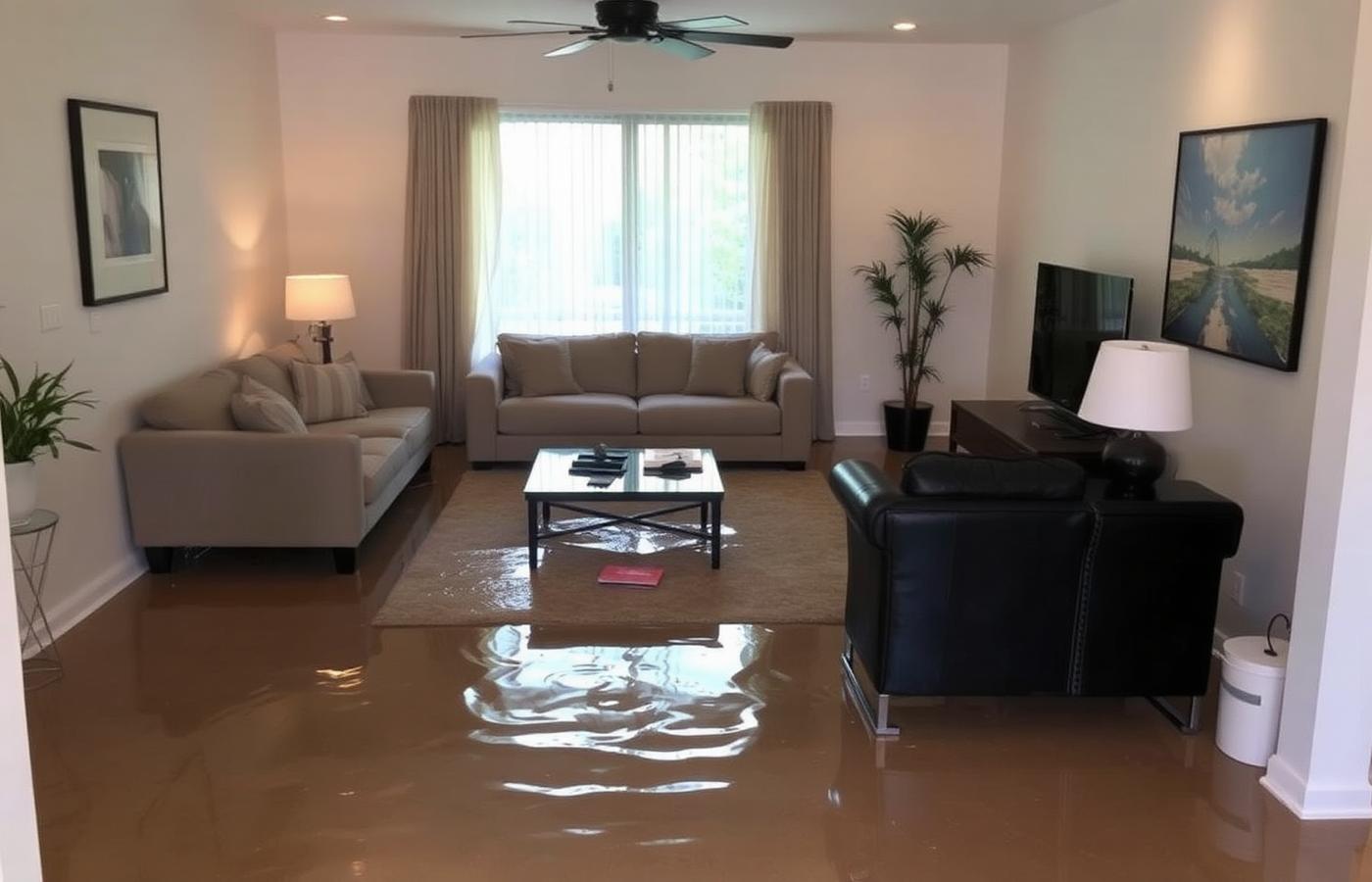
Flooding remains one of the most damaging events a Katy homeowner can experience. Some of it is regional — tropical systems and heavy rainfall that overwhelm bayous and neighborhood drainage — and some of it is very local, caused by conditions right around the house.
- Heavy rainfall from thunderstorms and tropical systems.
- Clogged gutters and downspouts that send water down the exterior walls.
- Poor grading around the foundation that directs water toward the home instead of away.
- Neighborhood drainage problems that back water up into yards and garages.
- Overflowing swimming pools, retention ponds, or drainage ditches.
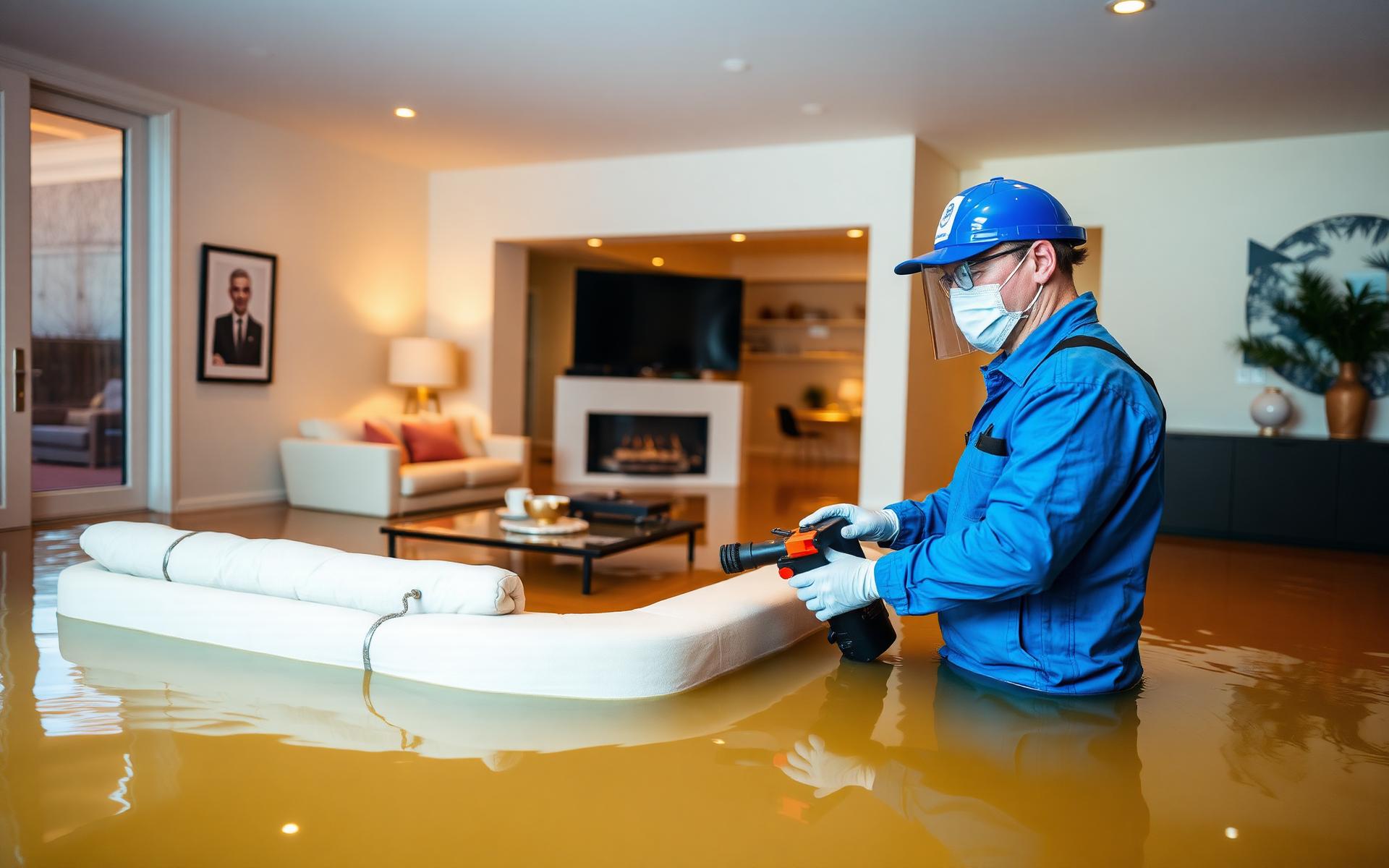
Once flood water is inside a home, it is considered contaminated and requires professional flood damage restoration. Truck-mounted extractors, commercial dehumidifiers, and antimicrobial treatments are essential — household fans and shop vacs simply cannot remove enough water fast enough to prevent structural damage and mold growth.
5. Roof Leaks and Ceiling Water Damage
Roof leaks are especially frustrating because they often start small and stay hidden for months. Water can travel along framing before it finally shows up as a stain on a ceiling several feet away from the actual leak. Katy roofs take a beating from UV exposure, hail, and hurricane-force winds, so periodic inspections matter.
- Damaged or missing shingles from wind and hail.
- Roof aging — most asphalt roofs are near end of life after 20 to 25 years.
- Storm damage that lifts flashing, tears membranes, or dents metal panels.
- Flashing issues around chimneys, skylights, and vent stacks.
Homeowners should watch for water stains on ceilings, peeling paint, dripping fixtures during rain, and musty odors in upstairs rooms or attics. Any of these signs mean water is already inside the structure and professional water damage repair should be scheduled quickly to prevent further damage to drywall, insulation, and framing.
6. Plumbing Fixture Leaks
Not every plumbing problem announces itself with a burst pipe. Slow, steady drips from fixtures can quietly saturate wood, drywall, and cabinetry for months before you notice.
- Toilets: Failing wax rings and cracked supply lines can leak silently onto subfloors.
- Sinks: Loose P-traps, worn shutoff valves, and cracked supply lines cause hidden cabinet damage.
- Showers: Failed grout, cracked pans, and worn caulking let water into wall cavities.
- Bathtubs: Overflowing tubs and leaking drains damage ceilings below in two-story homes.
Hidden leaks behind walls are some of the most expensive water losses we respond to, because by the time the damage is visible, the drywall, insulation, and framing are already compromised. If you notice a musty smell, warped baseboards, or a sudden jump in your water bill, get a professional inspection.
7. Sewer Backups and Contaminated Water
Few water damage events are as unpleasant — or as hazardous — as a sewer backup. Contaminated water carries bacteria, viruses, and other pathogens that can pose serious health risks to anyone exposed without protective equipment.
- Sewage backups from blocked or overwhelmed municipal lines.
- Clogged sewer lines caused by tree roots, grease, or pipe collapse.
- Overflowing floor drains and lower-level toilets during heavy rainfall.
Do not attempt to clean up sewage yourself. Category 3 (black water) losses require professional water damage restoration services with proper containment, PPE, and disposal. Porous materials that came into contact with contaminated water — carpet, drywall, insulation — usually must be removed and replaced.
8. HVAC and Condensation Issues
In Katy's humid climate, HVAC systems run hard for most of the year, and they are a surprisingly common source of interior water damage. Every air conditioner produces gallons of condensation each day, and when the drainage system fails, that water has to go somewhere.
- AC drain line clogs that cause pans to overflow into ceilings and closets.
- Condensation buildup on uninsulated ducts and refrigerant lines.
- HVAC leaks from failed drain pans, cracked coils, or improperly installed units.
Any HVAC-related moisture problem is a mold risk. Warm, dark, humid conditions inside walls and ceilings are ideal for mold growth, which is why professional mold remediation is often part of the response when an HVAC leak has been active for more than a few days.
How to Prevent Water Damage in Your Katy Home
Most of the water damage we respond to could have been avoided or minimized with basic preventive maintenance. Fifteen minutes a month is often enough to catch problems before they become emergencies.
- Inspect plumbing regularly under sinks, behind toilets, and around appliances.
- Clean gutters and extend downspouts at least four feet from the foundation.
- Maintain appliances — replace washer hoses, flush the water heater annually, and clean AC drain lines.
- Check your roof twice a year and after every major storm.
- Know where your water shutoff valve is and make sure everyone in the house knows too.
- Address small leaks immediately — a five-dollar washer can prevent a five-thousand-dollar repair.
- Monitor for warning signs: musty odors, water stains, warped baseboards, or unexplained water bill spikes.
When Should You Call a Water Damage Restoration Company?
Some water problems are DIY-friendly. Most are not. If you are searching for water damage restoration near me, chances are the situation has already moved beyond what household equipment can handle. Call a professional restoration company any time you experience one of the following.
- Standing water anywhere in the home, even after visible extraction.
- Significant flooding from storms, plumbing failures, or overflow events.
- Sewage contamination or any Category 3 black water event.
- Water behind walls, under floors, or inside ceilings — anywhere hidden moisture may remain.
- Any visible mold, or musty odors that don't go away after cleaning.
- Extensive property damage involving multiple rooms or structural materials.
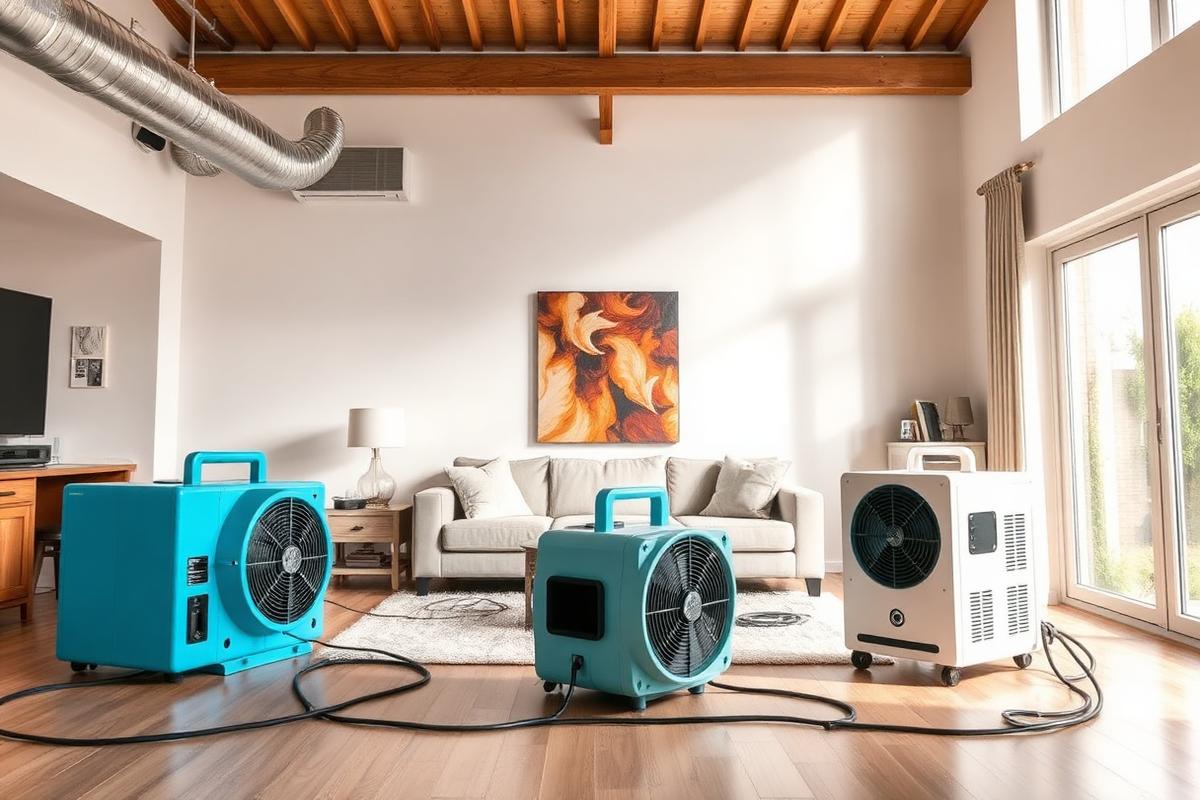
Professional water damage restoration services bring truck-mounted extractors, commercial dehumidifiers, moisture meters, thermal imaging, and IICRC-certified technicians. Just as importantly, they document the loss the way insurance adjusters expect — which can be the difference between an approved claim and one that stalls for weeks.
Frequently Asked Questions About Water Damage in Katy Homes
What is the most common cause of water damage in homes?
Plumbing issues — including burst pipes, appliance supply line failures, and slow fixture leaks — are the single most common cause of home water damage. Storm-related roof and window leaks are a close second in the Katy area, especially during hurricane season.
How quickly can water damage cause mold?
In Katy's humid climate, mold can begin colonizing wet drywall, insulation, and baseboards in as little as 24 to 48 hours. That short window is why fast professional response matters — waiting a few days often turns a drying job into a full mold remediation project.
Can I handle water damage cleanup myself?
Very small clean-water spills caught immediately can often be handled with towels and household fans. Anything involving standing water, saturated materials, gray or black water, or damage that has been present more than a few hours should be handled by a professional restoration company with commercial extraction and drying equipment.
How much does water damage restoration cost?
Costs depend on the severity of the damage, the materials affected, and the repairs required. Most residential extraction and drying jobs range from $2,500 to $7,500, while full restoration with repairs commonly runs $8,000 to $30,000 or more. An on-site inspection is required for an accurate estimate.
Call Katy Water Damage Pros Today
Water damage rarely happens at a convenient time — and it never gets better on its own. Whether you're dealing with a burst pipe at 2 a.m., a slow leak that just revealed itself, or storm damage after a rough night of weather, Katy Water Damage Pros is here to help. Our local crews provide 24/7 emergency water damage restoration across Katy, Cypress, Houston, Sugar Land, The Woodlands, Pearland, and the surrounding Texas communities.
We handle professional water extraction, structural drying, mold prevention, and full property restoration — and we document every step for your insurance claim. If you suspect water damage in your Katy home, don't wait for it to get worse. Call us now for immediate response, or reach out through our contact page and a local crew will be on the way.