In Katy's humidity, mold doesn't need much of an invitation. Spores are already in the air, on your walls, and in your HVAC system — they're just waiting for moisture. Once wet materials sit for 24 hours, colonization begins.
The mold timeline after water damage
Hours 0–24: Absorption
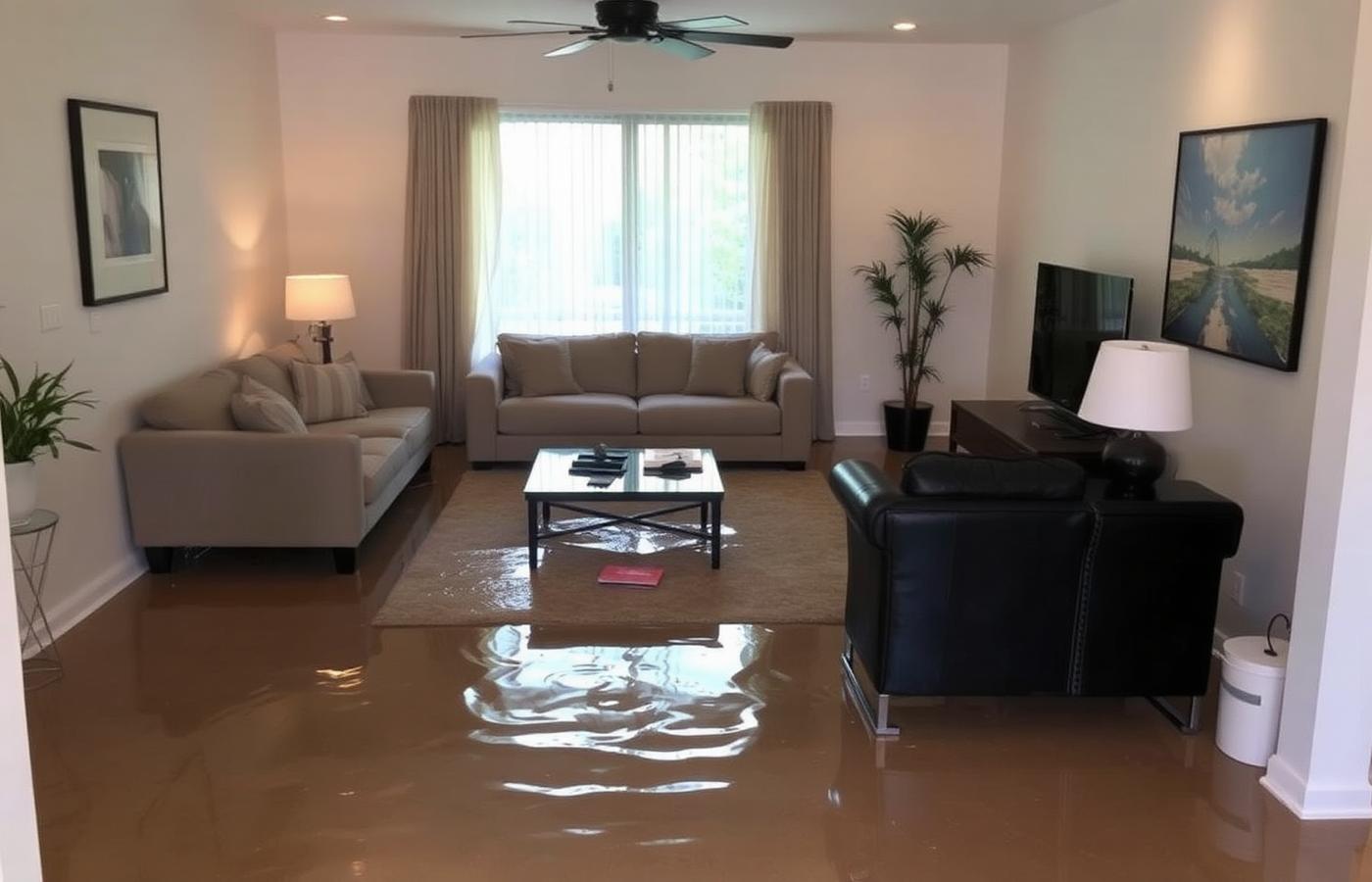
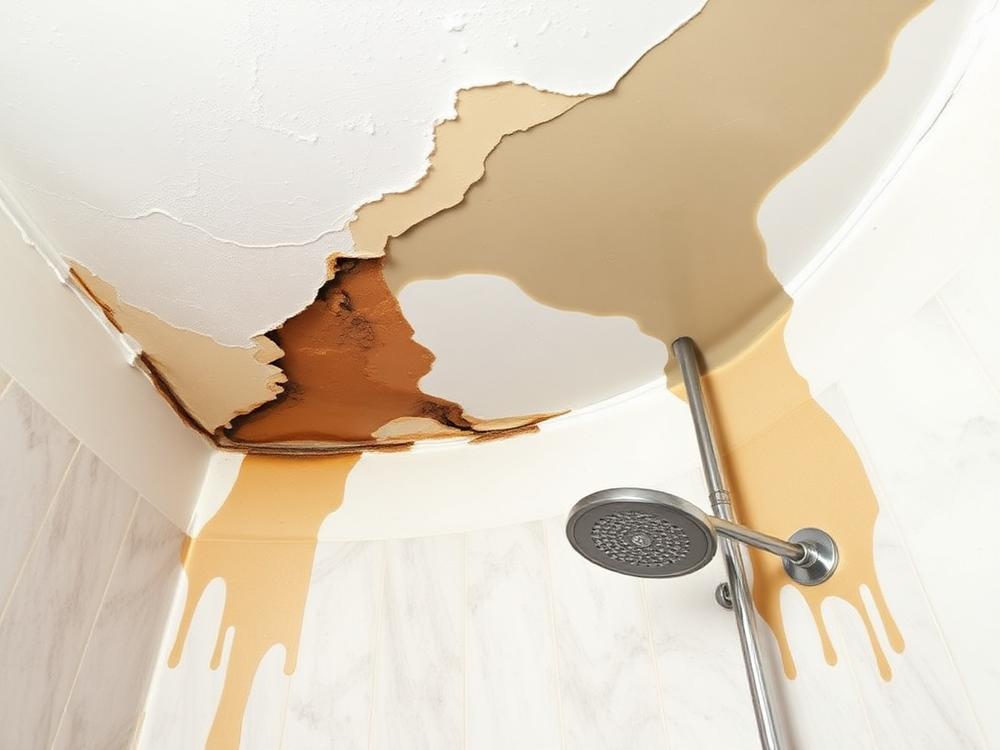
Water wicks into drywall, baseboards, insulation, and subflooring. Materials become saturated. If dried immediately, mold risk stays low.
Hours 24–48: Germination
Existing spores germinate on wet surfaces. You may not see anything yet, but colonies are forming inside wall cavities and under flooring.
Days 3–12: Visible growth
Colonies become visible — usually as black, green, or white patches. Musty odor becomes noticeable. Air quality drops.
Days 18+: Structural infestation
Mold penetrates deep into porous materials. Remediation cost climbs sharply. Drywall, insulation, and carpet almost always need full replacement.
Why home fans and dehumidifiers aren't enough
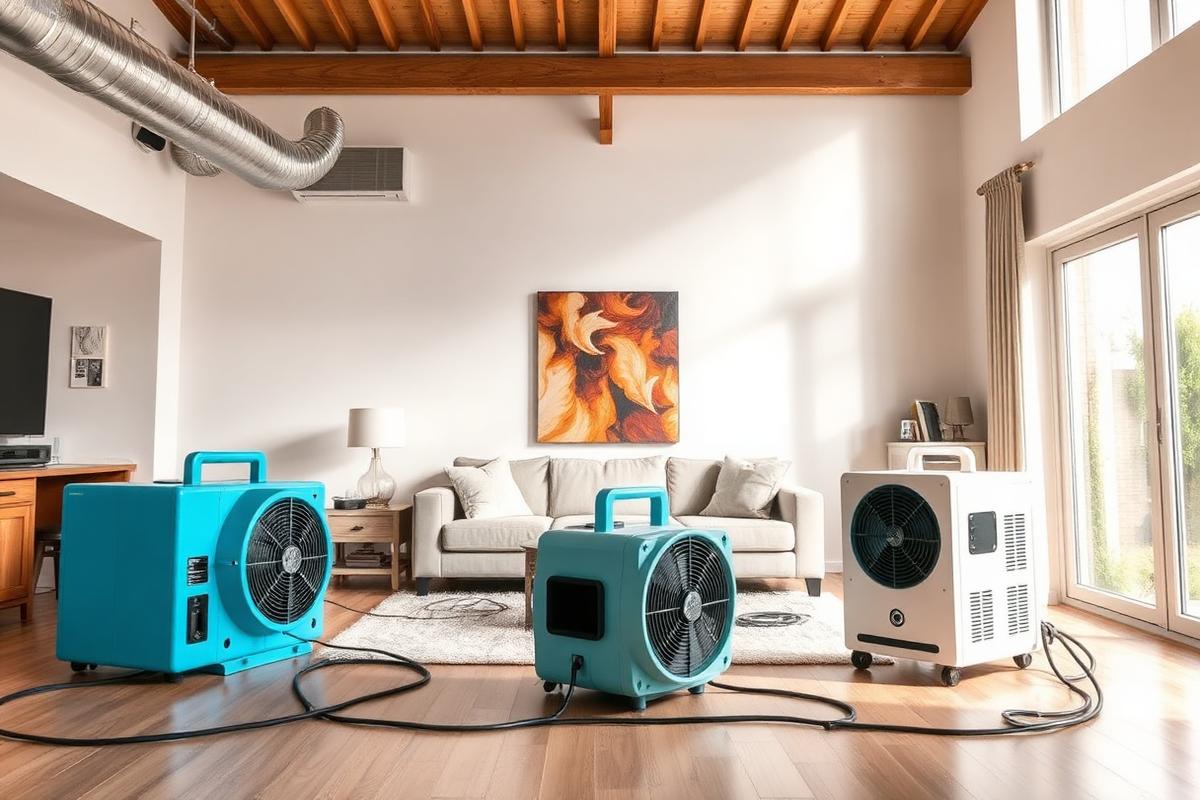
A box fan moves surface air but doesn't dry the water trapped in wall cavities and subfloors. Professional restoration uses commercial air movers, LGR dehumidifiers, and moisture meters to verify materials are dried to pre-loss levels — the only real defense against mold.
What to do in the first 24 hours
- Stop the water source.
- Remove standing water with a wet/dry vacuum if safe.
- Pull up wet carpet and pad — they trap moisture against the subfloor.
- Open windows only if outdoor humidity is below 55%.
- Call a professional restoration team for structural drying.