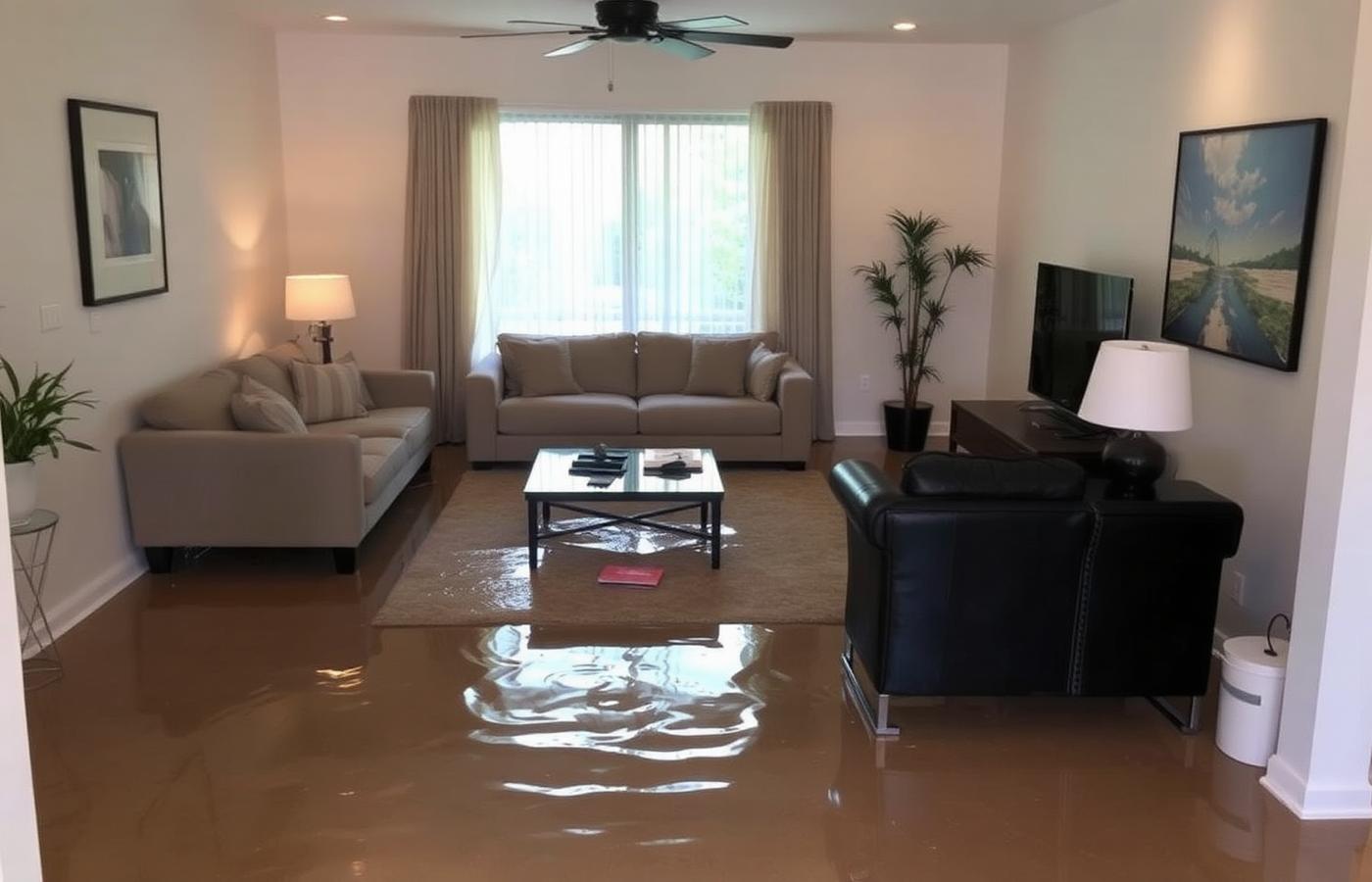
If you are standing in water right now, start here. The first 24 hours after water damage determine almost everything that follows: how much of your flooring survives, whether your drywall and cabinets can be dried in place, what your insurance claim ends up costing, and whether mold becomes part of the conversation at all.
Emergency water damage restoration is a race against absorption. Water moves through building materials by the hour, wicking up drywall, spreading under flooring, and soaking into insulation you cannot see. Katy Water Damage Pros provides 24/7 emergency response throughout Katy, Texas and the greater Houston area, and the single most consistent pattern we see across thousands of homes is simple: the homes that dry fastest are the ones where someone acted within the first day.
This guide walks you through what to do — in order — during those first 24 hours.
Why the First 24 Hours After Water Damage Matter
Water damage is not a single event. It is a progression, and every hour moves it forward.
- Standing water immediately attacks flooring. Laminate swells, engineered wood delaminates, carpet padding turns into a sponge, and vinyl lifts from the subfloor.
- Drywall wicks moisture upward. Water climbs several inches to a foot or more above the waterline within hours, carrying damage into areas that never got wet directly.
- Moisture spreads into hidden cavities. Wall interiors, insulation, subfloor layers, cabinet bases, and ceiling voids hold water long after the visible surface dries.
- Mold risk climbs sharply. Once organic materials stay wet, mold can begin colonizing in 24 to 48 hours — faster in Katy's year-round humidity.
- Salvage windows close. Materials that could have been dried in place on day one often have to be cut out and replaced by day three.
Fast, professional water extraction followed by controlled drying is what stops that progression. Removing bulk water within hours can be the difference between a drying job and a demolition-and-rebuild job — often a difference of thousands of dollars.
Every hour that materials stay saturated increases both the scope of repairs and the likelihood of mold. Speed is the cheapest tool available to a homeowner.
Step 1: Stay Safe and Identify the Source of Water
Before anything else, make sure the situation is safe to be in. Property can be restored; people cannot.
- Avoid electrical hazards. Do not walk into standing water if outlets, power strips, or appliances are submerged. If you can safely reach your breaker panel from a dry area, shut off power to the affected zone.
- Avoid contaminated water. Sewage backups, storm floodwater, and water that has sat for more than a day may carry bacteria. Do not wade through it without protective boots and gloves.
- Watch for structural risk. A sagging, bulging, or dripping ceiling is holding weight. Stay out from under it.
- Stop the water source if it is safe to do so. A supply valve behind a toilet, under a sink, or at the appliance may be all you need.
- Shut off the main water supply if the source is unclear or unreachable. In most Katy homes the main shutoff is near the front hose bib, in the garage, or at the meter box near the street.
Identifying what kind of water event you are dealing with
The source dictates the response, so identify it early:
- Burst pipes — sudden, high-volume clean water; common after freezes or in aging supply lines. Shut off the main immediately.
- Appliance leaks — washing machine hoses, dishwasher lines, refrigerator supply lines, and water heater tanks. Shut off the appliance's dedicated valve.
- Flooding — heavy rain, bayou and drainage backup, or storm surge. Treat as contaminated water.
- Storm damage — roof leaks, wind-driven rain, and window failures. Cover the opening only if it can be done safely from inside.
- Sewage backups — always hazardous. Leave the area and call for professional emergency water damage cleanup.
Step 2: Remove Valuables and Document the Damage
Once the area is safe and the water is stopped, protect what can still be saved and build your record.
- Move dry belongings out. Relocate furniture, electronics, rugs, and boxes from adjacent rooms before moisture reaches them.
- Lift furniture off wet flooring. Aluminum foil or wood blocks under furniture legs prevent staining and further absorption.
- Photograph and video everything before you move or clean anything. Capture wide shots of each room, close-ups of damaged materials, the water source, and the visible waterline.
- Document damaged contents individually. Note approximate age, brand, and value where you can.
- Do not throw damaged items away yet. Adjusters frequently need to see damaged materials, and discarded items are difficult to claim.
- Keep receipts for anything you buy or pay for during the emergency — fans, tarps, hotel nights, and mitigation services are often reimbursable.
Notify your insurance carrier within the first day as well. Most policies require prompt notice and reasonable mitigation — meaning you are expected to act quickly to limit damage, not wait for an adjuster before drying begins.
Step 3: Begin Water Removal as Quickly as Possible
Standing water is the single largest driver of secondary damage. Until bulk water is gone, drying cannot meaningfully begin — the air simply cannot compete with an open reservoir on the floor.
Homeowners can help with small amounts: mopping, towels, and a shop vacuum on a minor clean-water spill. But volume matters. A few gallons is a cleanup; a few hundred gallons is an extraction job.
What professional water extraction involves
- Truck-mounted and portable extraction units that pull water from carpet, padding, and hard surfaces at rates household equipment cannot approach.
- Submersible pumps for deep standing water in garages, ground floors, and utility spaces.
- Weighted extraction tools that press water out of carpet and pad rather than skimming the surface.
- Moisture meters and thermal imaging that map how far water has actually traveled — often several feet beyond what is visible.
- Controlled removal of unsalvageable materials such as saturated carpet pad, which holds water indefinitely.
Waiting is expensive. Water that sits overnight migrates under cabinets, into wall cavities, and beneath flooring, converting a contained problem into a whole-room one. This is why emergency restoration services operate 24/7 — the value of extraction drops with every hour that passes.
Step 4: Start the Drying and Dehumidification Process
Extraction removes the water you can see. Structural drying removes the water you cannot — the moisture absorbed into framing, subfloor, drywall, and insulation.
Proper drying is an engineered process that balances three variables:
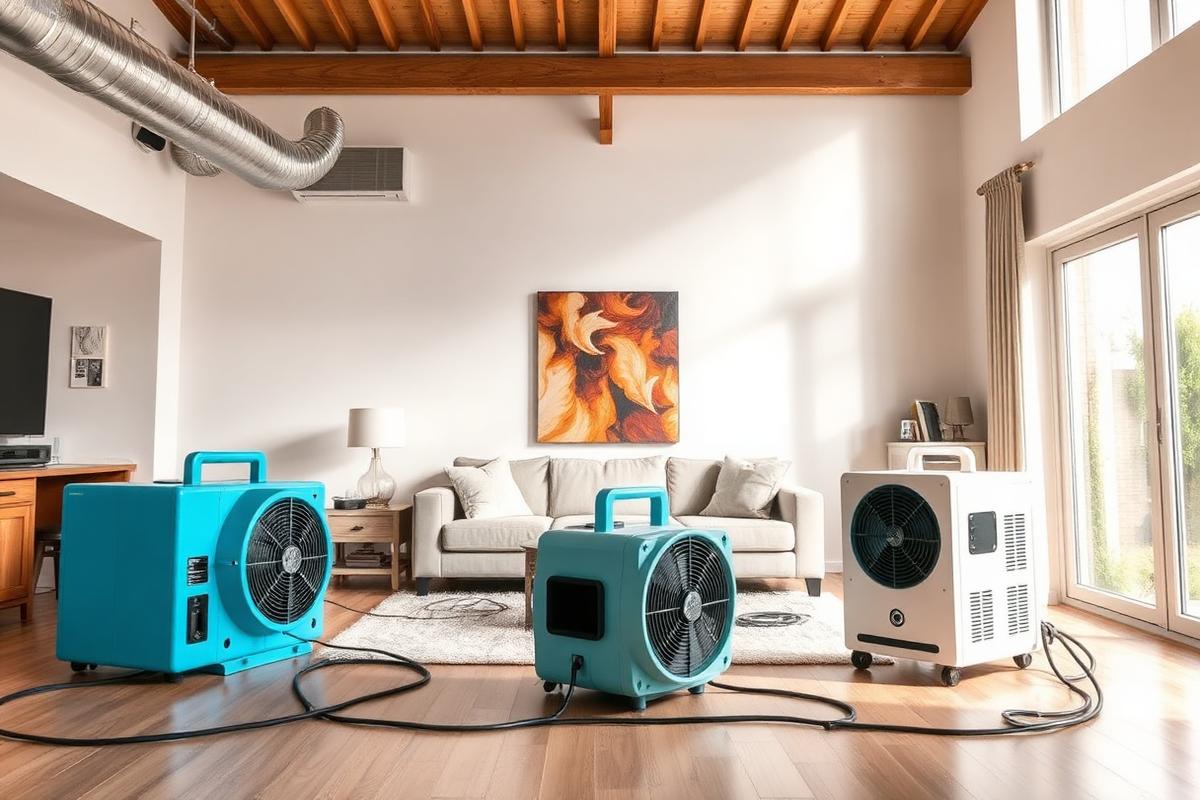
- Air movement — high-velocity air movers positioned to sweep moisture off surfaces and into the air, placed by room geometry rather than guesswork.
- Dehumidification — commercial LGR dehumidifiers that pull that airborne moisture out of the environment. In Katy's humidity, opening windows usually makes drying worse, not better.
- Temperature control — warmer air holds and releases moisture more efficiently, accelerating evaporation.
- Monitoring — daily moisture readings on affected materials, compared against dry standards elsewhere in the home, to confirm progress.
The most common and most costly homeowner mistake happens here: assuming the job is done because surfaces feel dry. Drywall, baseboards, subfloor, and wall studs routinely remain saturated behind a dry-feeling surface. Only a moisture meter can confirm a material is genuinely dry, and only that confirmation prevents hidden decay and mold.
Most residential structural drying takes three to five days. Dense materials, hardwood floors, and multi-room events can take longer.
Step 5: Prevent Mold Growth After Water Damage
Mold spores already exist in every home. They only become a problem when moisture, an organic food source, and time come together — and wet drywall, insulation, wood, and carpet backing supply all three.
In the Katy and greater Houston climate, that window is short. Mold can begin colonizing wet materials in 24 to 48 hours, and visible growth often appears within three to five days.
What actually reduces mold risk
- Extract water within hours, not days.
- Dry the structure completely — verified with meters, not by feel.
- Remove materials that cannot be dried, such as saturated carpet pad and wet insulation.
- Clean and apply antimicrobial treatment to affected surfaces.
- Control indoor humidity below roughly 50 percent during and after drying.
Effective mold prevention is simply thorough restoration done fast. When growth has already started — musty odor, visible spotting, staining that returns — the correct response shifts to professional mold remediation with containment, filtration, and controlled removal, because disturbing an existing colony spreads spores through the rest of the home.
Common Emergency Water Damage Situations We Help With
Burst Pipes
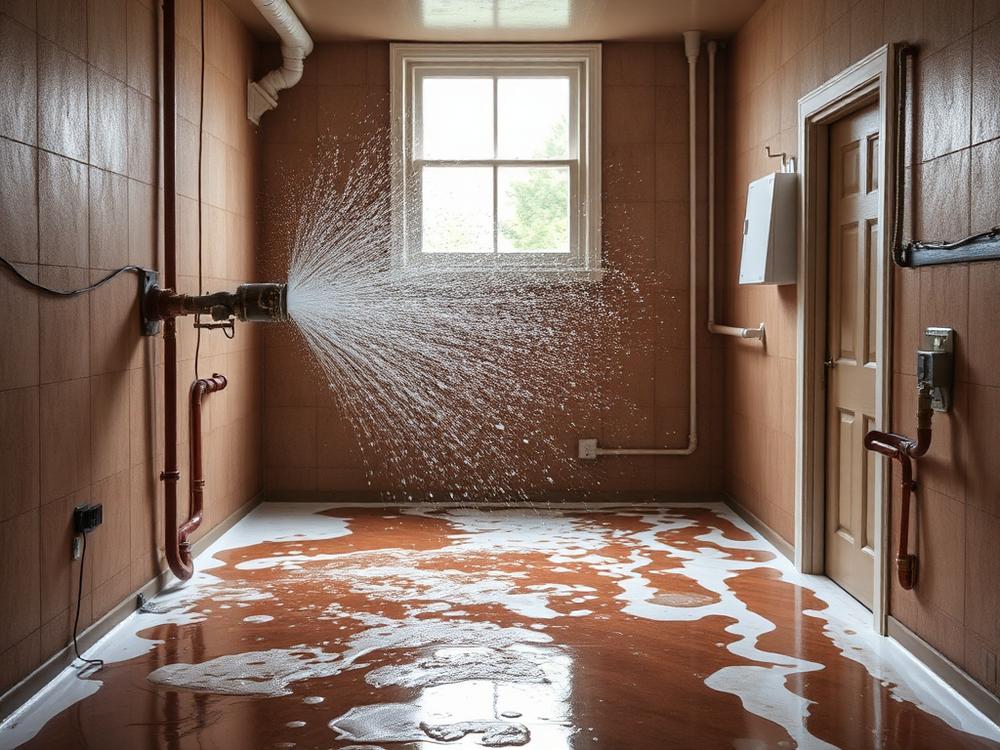
Burst pipes are the most common high-volume emergency we respond to in Katy. Causes include hard freezes on uninsulated exterior and attic lines, corroded older supply piping, excessive water pressure, and failed connections behind walls. A single burst supply line can release hundreds of gallons in under an hour.
Immediate actions: shut off the main water supply, cut power to affected areas if outlets are involved, and call for emergency burst pipe cleanup. Because burst-pipe water usually starts inside a wall or ceiling, the visible damage is almost always smaller than the actual affected area.
Flood Damage
Katy's flat terrain, clay soils, and intense Gulf Coast rainfall make flooding a recurring risk. Slow-moving storms, tropical systems, and overwhelmed drainage can push water into homes within minutes.
Floodwater is treated as contaminated, which changes the process: porous materials that absorbed it typically cannot be salvaged, and the affected area requires cleaning and sanitizing in addition to drying. Professional flood cleanup includes extraction, controlled material removal, disinfection, and full structural drying.
Appliance Leaks
Appliance failures cause a large share of residential water damage because they often run unnoticed:
- Washing machines — burst or disconnected supply hoses, frequently while nobody is home.
- Dishwashers — door seal failures and supply line leaks that soak the subfloor and adjacent cabinets before appearing at the toe kick.
- Water heaters — tank failures that release the full tank volume, typically in a garage or utility closet.
- Refrigerator ice makers — slow supply line leaks that damage flooring for weeks before discovery.
Sewage Backups
Sewage backups are a health hazard, not just a cleanup. Category 3 water carries bacteria, viruses, and pathogens, and it contaminates everything porous it touches. This work requires personal protective equipment, containment, professional-grade disinfection, and correct disposal of affected materials. Homeowners should stay out of the area and call for professional sewage cleanup immediately.
What NOT To Do After Water Damage
- Do not ignore standing water. Damage compounds by the hour, and "it'll dry out" almost never happens inside a wall.
- Do not use electrical appliances in wet areas. That includes vacuums, extension cords, and plugging in fans while standing in water.
- Do not wait days to address damage. Insurance carriers expect prompt mitigation, and delay can affect coverage.
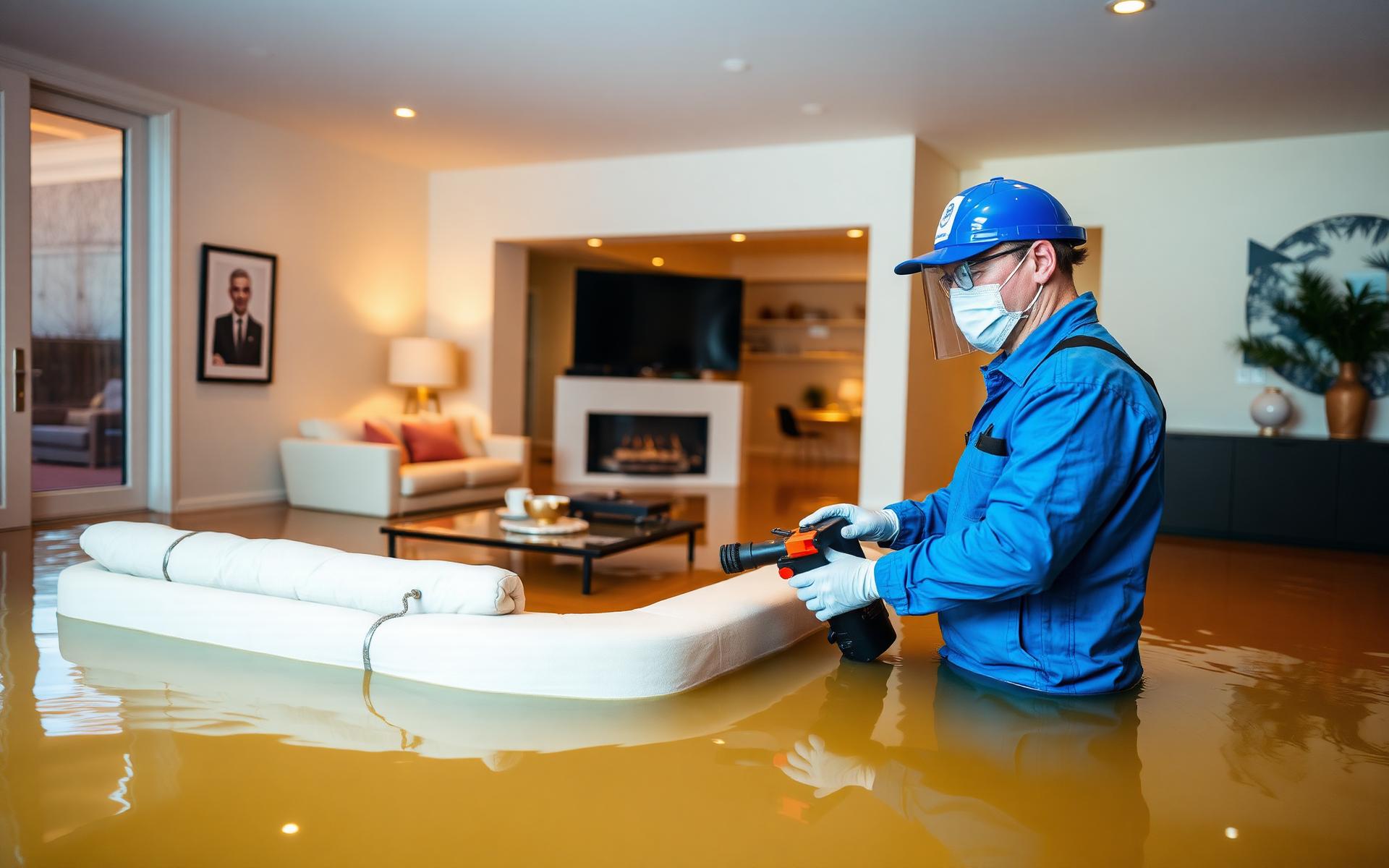
- Do not remove contaminated materials without protection. Sewage and floodwater require gloves, boots, and respiratory protection at minimum.
- Do not assume everything is dry because surfaces look dry. Hidden moisture is the leading cause of post-restoration mold.
- Do not discard damaged items before documenting them. Photos first, disposal second.
- Do not run your HVAC system if water reached ductwork or if mold is suspected — it will distribute contamination through the house.
When Should You Call an Emergency Water Damage Restoration Company?
A small clean-water spill caught within minutes is genuinely a homeowner job. Beyond that, professional equipment and training change the outcome. Call immediately if you have:
- Large amounts of standing water in any room
- Flooding from storms, rain, or drainage backup
- Sewage damage or any contaminated water
- Water inside walls, behind cabinets, or under flooring
- Ceiling leaks, sagging ceilings, or water traveling between floors
- Extensive property damage across multiple rooms
- Any musty odor, visible mold, or moisture that has been present more than 24 hours
- An insurance claim you need documented properly from the start
When homeowners search for water damage restoration near me at 2 a.m., what they actually need is a local crew that answers, arrives with extraction and drying equipment on the truck, and starts mitigating within the hour — not a call center that schedules an inspection for the following afternoon.
Why Choose Professional Water Damage Restoration in Katy, TX?
Professional restoration is not about doing what you could do with rented fans. It is about doing what rented fans cannot.
- Fast emergency response — 24/7 dispatch across Katy, Texas and the greater Houston area, because mitigation value drops by the hour.
- Professional equipment — truck-mounted extractors, submersible pumps, high-velocity air movers, and commercial LGR dehumidifiers sized to the actual load.
- Trained technicians — IICRC-aligned methods for water categories, drying standards, and safe handling of contaminated water.
- Moisture detection — meters and thermal imaging that find water behind walls and under floors instead of guessing at it.
- Complete restoration process — extraction, structural drying, antimicrobial treatment, mold prevention, and reconstruction coordination.
- Insurance documentation — daily moisture logs, photo records, and scope documentation that support your claim.
Katy Water Damage Pros is local. Our crews know Katy's subdivisions, its slab-on-grade construction, its clay soil movement, and how Gulf Coast humidity affects drying times — knowledge that shapes how a job gets scoped and how quickly a home actually dries.
Frequently Asked Questions About Emergency Water Damage
How quickly should I respond to water damage?
Immediately. Extraction should begin within hours, and structural drying should be underway within the first 24 hours. Materials that can be dried in place on day one frequently have to be removed and replaced by day three, and mold risk rises sharply after 24 to 48 hours of sustained moisture.
Can I clean up water damage myself?
Small, clean-water spills caught right away can usually be handled with towels, a shop vacuum, and household fans. Standing water, saturated carpet or drywall, water from storms or sewage, or any moisture that has been present more than a day requires professional extraction, commercial dehumidification, and moisture verification that homeowner equipment cannot provide.
How long does water damage restoration take?
Timelines vary with severity. Extraction typically takes a few hours. Structural drying usually runs three to five days, longer for hardwood, dense materials, or multi-room events. If repairs such as drywall, flooring, or cabinetry are needed, full restoration commonly takes two to six weeks depending on scope and insurance approval.
Can water damage cause mold?
Yes. Any moisture left in building materials can support mold growth, and in Katy's humid climate colonization can begin within 24 to 48 hours. Thorough extraction, complete structural drying verified with moisture meters, and antimicrobial treatment are what keep mold from developing after a water event.
Call Katy Water Damage Pros — 24/7 Emergency Response
If you have water in your home right now, the most valuable thing you can do is shorten the time it stays there. Katy Water Damage Pros provides 24/7 emergency water damage restoration throughout Katy, Texas and the surrounding Houston area — emergency water extraction, flood cleanup, complete structural drying, mold prevention, and full repairs.
Our local crews arrive with commercial extraction and drying equipment, document every moisture reading for your insurance claim, and do not call a job finished until meters confirm your home is genuinely dry.
Do not wait to see how bad it gets. Call now or reach out through our contact page, and a Katy crew will be on the way.