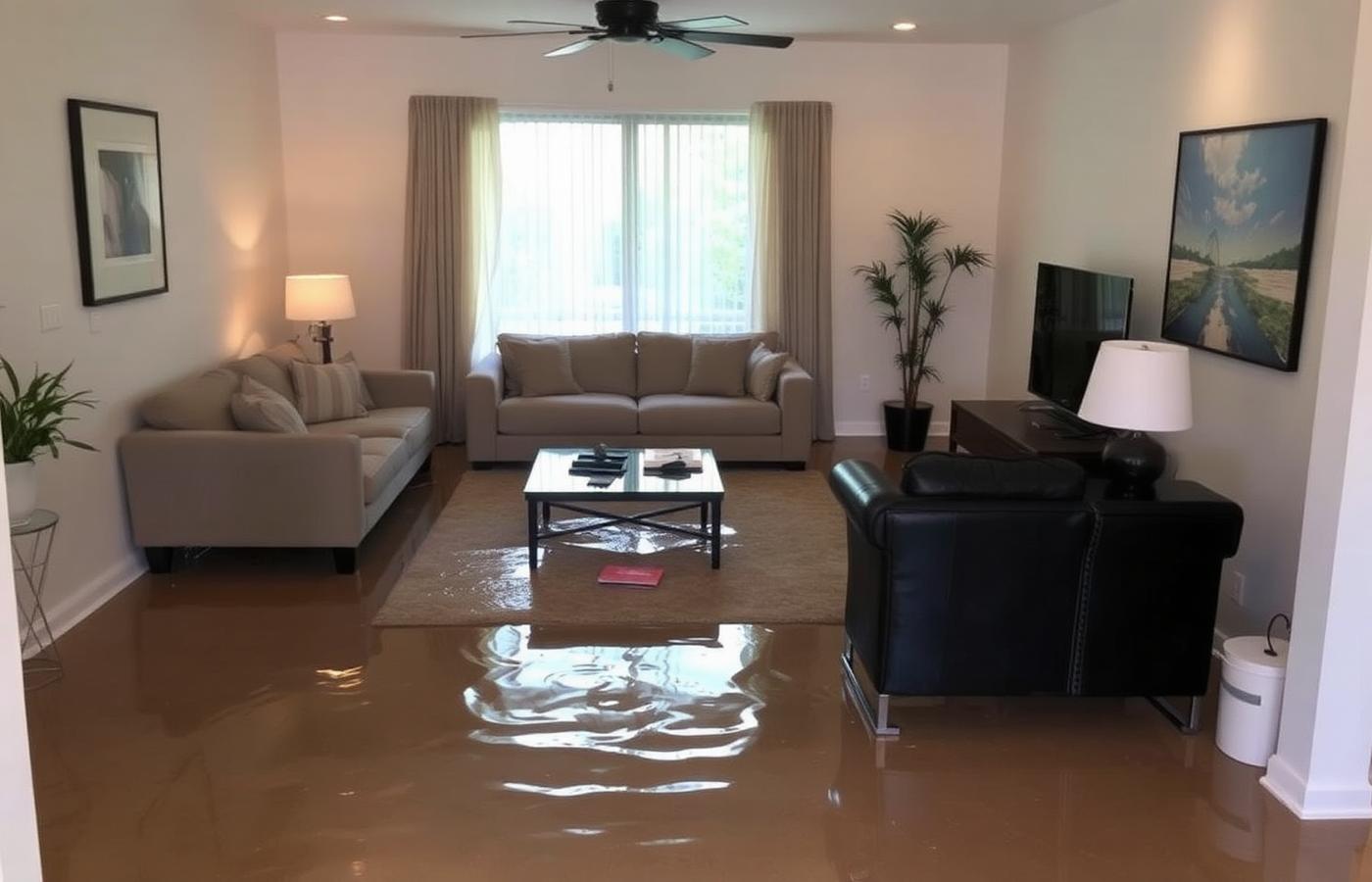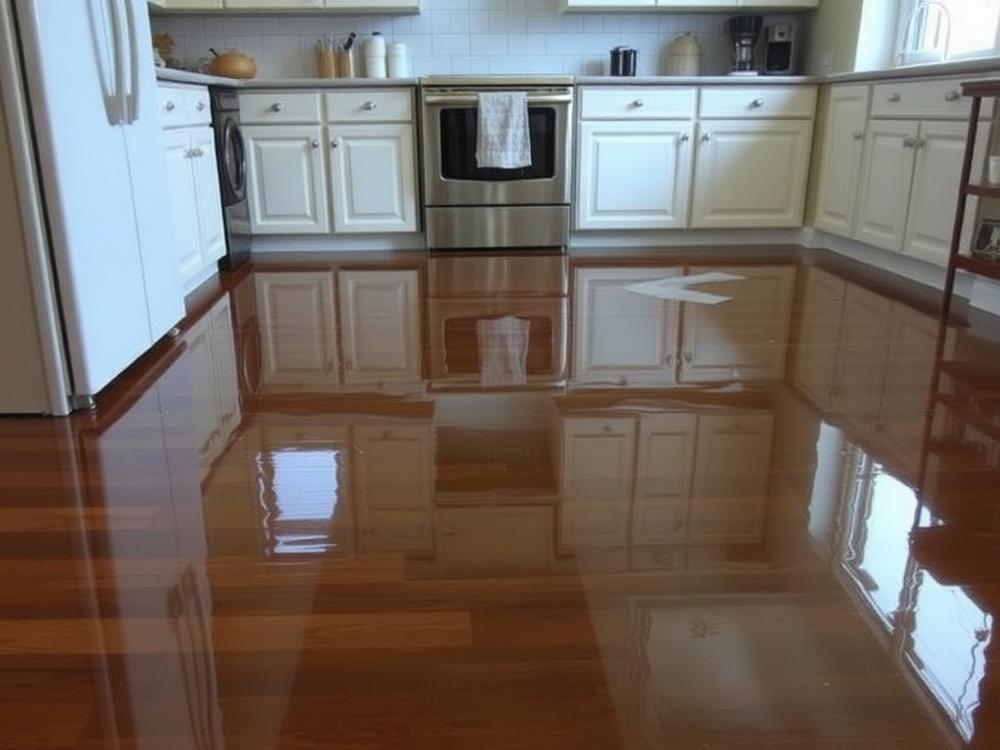
Every week we get the same call: 'My ceiling collapsed — is this covered?' The answer depends on one thing insurers care about more than anything else: was the damage sudden and accidental, or was it gradual?
What's usually covered
- Burst pipes and sudden plumbing failures
- Appliance leaks (washing machine hose, dishwasher, water heater rupture)
- Storm-driven rain that enters through wind-damaged roofing
- Accidental overflows from bathtubs and sinks
What's usually NOT covered
- Flooding from outside the home (requires separate NFIP flood insurance)
- Gradual leaks that developed over weeks or months
- Damage from lack of maintenance
- Mold, unless it results from a covered water event
- Sewer backups (usually requires a rider)
How to file a successful water damage claim
- Stop the water source immediately and mitigate further damage.
- Photograph and video everything before you move or throw anything away.
- Call your insurer within 24–48 hours to open the claim.
- Hire a licensed restoration company — most policies require it.
- Keep every receipt for temporary repairs, hotel stays, and replacement items.
Working with adjusters
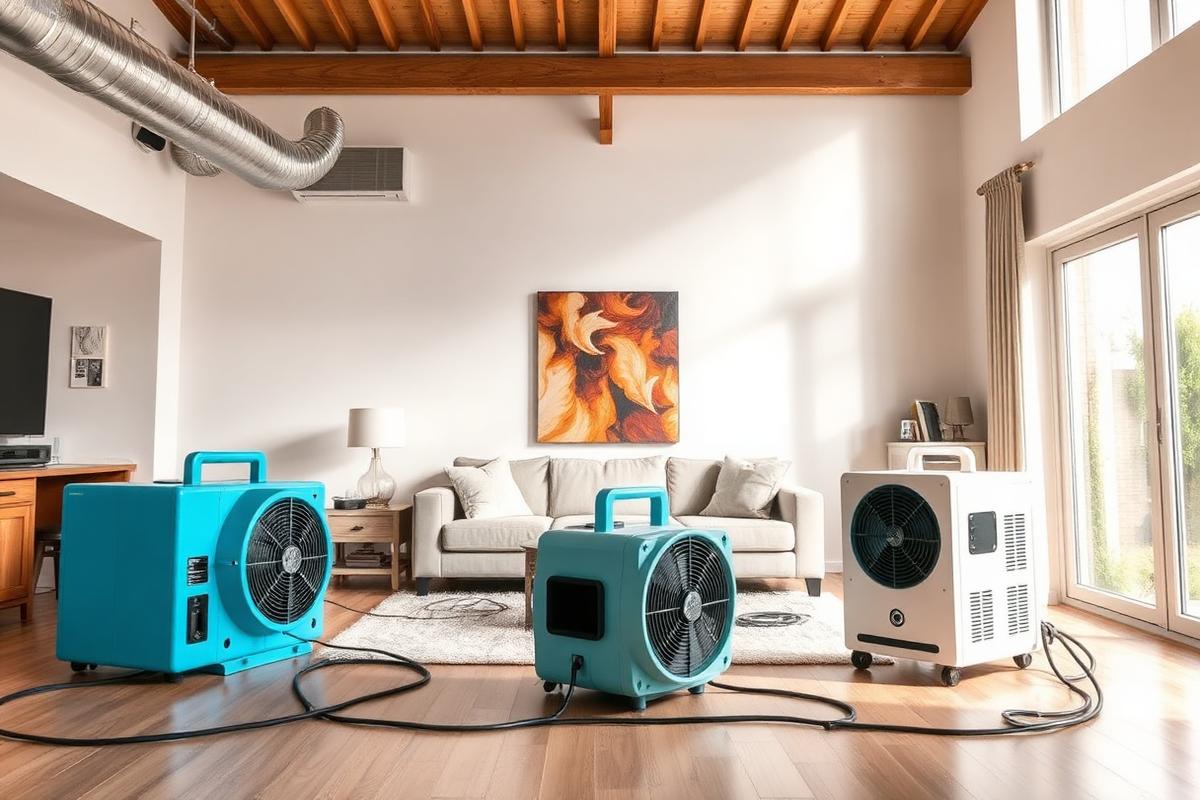
A good restoration company documents damage in the format adjusters expect: moisture readings, thermal imaging, room-by-room scope of work, and Xactimate-compatible estimates. This alone can be the difference between a fully approved claim and a partial denial.
Related restoration help
Service areas